

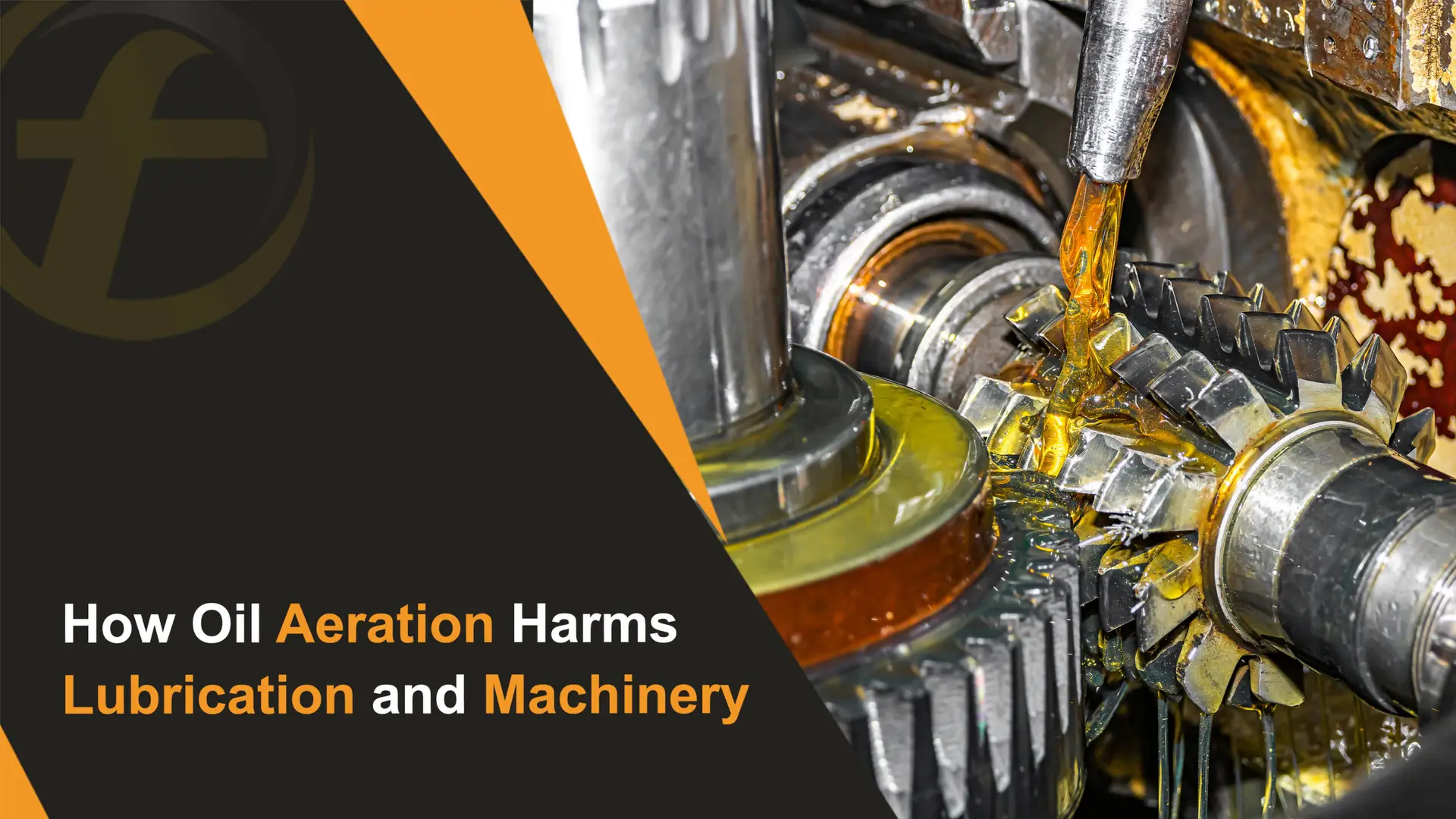
Engine oil is like the lifeblood of your vehicle’s engine—it keeps everything moving smoothly, reduces friction, and helps cool the engine. But did you know that tiny air bubbles in the oil, called engine oil aeration, can quietly cause big problems? These bubbles can make your engine work harder, wear out faster, and even shorten its life.
Understanding what oil aeration is and how to prevent it is key to keeping your engine healthy and running at its best. At Fubex Lubricants, we offer high-quality lubricants for all types of engines. Enjoy fast shipping, a price match guarantee, and no-questions-asked returns. Need help choosing the right oil? Call us at +971 50 544 9614 — our friendly team is ready to assist!
Awais I., Sales Director, says, “Understanding how oil aeration harms lubrication and machinery is key to protecting engines. Using the right oils and maintenance prevents wear and keeps machines running smoothly.”
Keep reading to find out why this hidden issue shouldn’t be ignored.
What is Engine Oil Aeration?
Engine oil aeration happens when tiny air bubbles get mixed into the engine oil. A small amount of air in the oil is normal because the oil keeps moving inside the engine. But too much air can cause problems. This usually happens when oil and air mix too much, creating foam or bubbly oil.
When oil becomes aerated, it cannot do its job properly. The air bubbles stop the oil from forming a smooth protective layer on engine parts. Because of this, the oil cannot lubricate the engine well. This leads to more friction, which can cause faster wear and damage to important engine parts.
Causes of Engine Oil Aeration
There are several reasons why air can mix too much with engine oil. Let’s look at the most common causes in a simple way.
High Engine Speeds
Running your engine at very high speeds (high RPM) can shake the oil a lot. This strong movement mixes air into the oil and creates bubbles. It often happens in high-performance engines or when driving fast for a long time.
Improper Oil Levels
Having too much or too little oil can both cause problems.
- Too Much Oil: It can reach parts like the crankshaft. When this part spins, it stirs the oil and creates bubbles.
- Too Little Oil: The oil pump may pull in air along with oil, which leads to aeration.
Faulty or Worn Oil Pumps
The oil pump moves oil through the engine. If it is damaged or worn out, it may not work properly. This can let air enter the oil. Also, leaks in the system can pull air into the oil flow.
Oil Quality and Compatibility
Using low-quality oil can increase the risk of aeration. Good engine oils have special additives that reduce foaming. If the oil does not meet the required standards, it can form bubbles more easily. Also, mixing different types or grades of oil can make the oil unstable, which increases the chances of air getting trapped.
Effects of Engine Oil Aeration
When too much air gets into engine oil, it can cause serious problems for your vehicle. Let’s understand these effects in a simple way.
Reduced Lubrication
One of the biggest problems is poor lubrication. Air bubbles stop the oil from forming a smooth layer between engine parts. This causes metal parts to rub against each other. As a result, friction increases and parts like bearings, pistons, and camshafts wear out faster.
Engine Overheating
Engine oil also helps cool the engine. But when the oil has air bubbles, it cannot carry heat properly. This can make some parts of the engine too hot, which can damage the engine over time.
Reduced Oil Pressure
Too much air in the oil can lower oil pressure. The bubbles affect how the oil flows inside the engine. Low oil pressure is dangerous and can lead to serious engine damage or even engine failure if not fixed.
Decreased Engine Efficiency
When the oil is not working properly, the engine has to work harder. This means the engine uses more fuel and gives less power. In simple words, your vehicle becomes less efficient and more costly to run.
Oil Degradation
If aeration is not fixed, it can damage the oil itself. The bubbles create foam, which reacts with air and breaks down the oil faster. Bad oil cannot protect the engine well and can leave harmful deposits inside, making maintenance more difficult.
Prevention Methods
You can prevent engine oil aeration by taking good care of your engine and following some simple steps.
- Maintain Correct Oil Levels: Always keep the oil at the right level. Check it regularly using the dipstick. Make sure it is not too high or too low. Both overfilling and low oil levels can cause air bubbles in the oil.
- Use the Right Type of Oil: Always use the oil recommended by your vehicle manufacturer. Good-quality oil has special additives that reduce bubbles and keep lubrication smooth. Also, avoid mixing different types or grades of oil.
- Replace Old or Faulty Oil Pumps: If your oil pump is old or not working properly, replace it. A bad oil pump can let air enter the oil. If you notice low oil pressure or strange noises, get it checked by a mechanic.
- Install an Oil-Air Separator: If you drive at high speeds or use your vehicle in tough conditions, an oil-air separator can help. This device removes air from the oil before it moves through the engine, reducing the chances of aeration.
- Follow Regular Maintenance: Always follow your vehicle’s service schedule. During maintenance, ask your mechanic to check seals, hoses, and gaskets. Any leaks in these parts can let air enter the oil system.
How Air Can Negatively Affect Lubricants (and How to Avoid It)
Air can cause serious problems when it gets trapped in lubricants. That’s why it’s important to take this issue seriously, especially in modern machines and industrial plants.
Why Air in Lubricants is a Problem
When air mixes with lubricants, it can create foam, damage the oil, and increase wear on machine parts. This makes machines less efficient and can even lead to breakdowns. Over time, it also shortens the life of both the lubricant and the equipment.
How to Prevent These Problems
To avoid these issues, it’s important to choose the right lubricant. Good-quality lubricants come with special additives that reduce foam, have the right thickness (viscosity), and resist damage from air. Along with using the right oil, regular maintenance also helps keep air out and protects the machine.
Air is useful in many ways, but when it gets into lubricants, it can do more harm than good. It can affect how well machines work, reduce the life of the oil, and damage equipment over time. That’s why keeping air out of lubricants is very important for smooth and long-lasting performance.
Air Entrainment and Foaming in Lubricants
Air entrainment and foam are not the same, even though they both involve air in oil.
What is Air Entrainment?
Air entrainment happens when tiny air bubbles get trapped inside the oil. These bubbles stay mixed in the oil and are hard to remove because they are very small.
What is Foam?
Foam forms when those air bubbles rise to the top and collect on the surface of the oil. This creates a thick, bubbly layer above the oil.
How Air Gets Into Lubricants
All oils naturally have a small amount of air. But some processes can add more air, such as:
- Splash lubrication
- Pumping oil from one place to another
- Oil moving in open systems
These actions increase contact between air and oil, which leads to more air mixing in.
Role of Oil Thickness (Viscosity)
The thickness of oil matters a lot:
- Thin Oil (low viscosity): Air can escape easily (like in hydraulic systems)
- Thick Oil (high viscosity): Air gets trapped more easily (like in gearboxes)
In systems like hydraulics, quick response is very important. Since air can compress but oil cannot, too much air can make the system slow and less reliable.
Why Foam is a Problem
Foam can cause many issues:
- Stops proper lubrication
- Increases metal-to-metal contact
- Causes wear and corrosion
Foam usually means air is entering the system due to leaks, low oil levels, or faulty caps.
Mixing Different Oils
Foam can also form when different types of oils are mixed. This can cause a chemical reaction, which is often a sign that the oils are not compatible.
Simple Tip: To keep machines running smoothly, it’s important to control air in lubricants and prevent foam from forming.
How to Check if Air is Trapped in Fluid
You can check for air in oil by using a sight glass. Many machines have this small window where you can see the oil. Check it regularly to spot bubbles or foam.
- Signs of a Problem: If there is too much foam, you might see it rising out of the machine. This looks messy and can be dangerous because it may cause slipping or even contaminate products during production.
- Why Modern Machines Need Extra Care: New machines often have smaller oil tanks. This gives the oil less time and space to release trapped air before it starts moving again. Because of this, controlling foam and air becomes even more important.
Selecting Lubricants to Reduce Rust and Corrosion
To keep machines working properly for a long time, it is important to protect them from damage caused by air. Good maintenance not only helps the oil last longer but also keeps machine parts in good condition.
Rust and corrosion are common problems that happen when metal parts are exposed to air and moisture. Most modern lubricants include special additives that help prevent this damage. However, not all lubricants are the same, so choosing the right one for your machine is very important.
Different types of lubricants—like engine oil, gear oil, hydraulic oil, and grease—are made with different additives. Each one is designed to protect parts in specific conditions. Using the wrong lubricant can reduce protection and lead to damage.
Parts exposed to air are prone to rust, especially near salt or chemicals. A good layer of lubricant protects them, and for long storage, special coatings help. Tiny air bubbles in oil can burst, creating shock waves that damage metal surfaces—a problem called pitting, seen as small marks on gears, pumps, and other components.
Over time, pitting makes the metal weak and rough. In severe cases, it can lead to cracks and complete failure of the part. The surface may also look dull because it no longer reflects light properly.
To avoid these problems, always use the right lubricant, protect parts from air exposure, and follow regular maintenance. This will help reduce rust, corrosion, and long-term damage to your machine.
Final Takeaways
Oil aeration may seem like a small issue, but it can quickly turn into a major problem for your equipment. When air gets into the oil, it weakens lubrication, increases wear, raises temperatures, and reduces overall efficiency. Over time, this can lead to costly repairs and unexpected downtime.
The good news is that with the right lubricant, proper oil levels, and regular maintenance, you can prevent aeration and keep your machines running smoothly. Paying attention to these small details today can protect your equipment, improve performance, and save you from bigger problems tomorrow.
FAQs
Q1: What exactly is oil aeration and entrained air?
Oil aeration happens when air gets trapped in lubricating oil. Foam consists of larger bubbles that rise to the surface, while entrained air is made of tiny bubbles hidden below the surface that can travel through the system and cause damage.
Q2: How does aeration accelerate oil degradation and engine wear?
Aeration speeds up oil breakdown and engine wear by creating tiny air bubbles that increase oxidation, generate extreme heat in pressurized areas, and cause protective additives to wear out faster.

Editor-at-Large
A passionate writer in the lubricant industry, Awais Iqbal has been covering oils, greases, and industrial fluids since the start of his career. At 25, he’s already written for blogs, catalogs, and brand guides across the UAE. Awais’s insights help companies connect with their audience, and his clear, helpful writing style is trusted by brands in the region.