

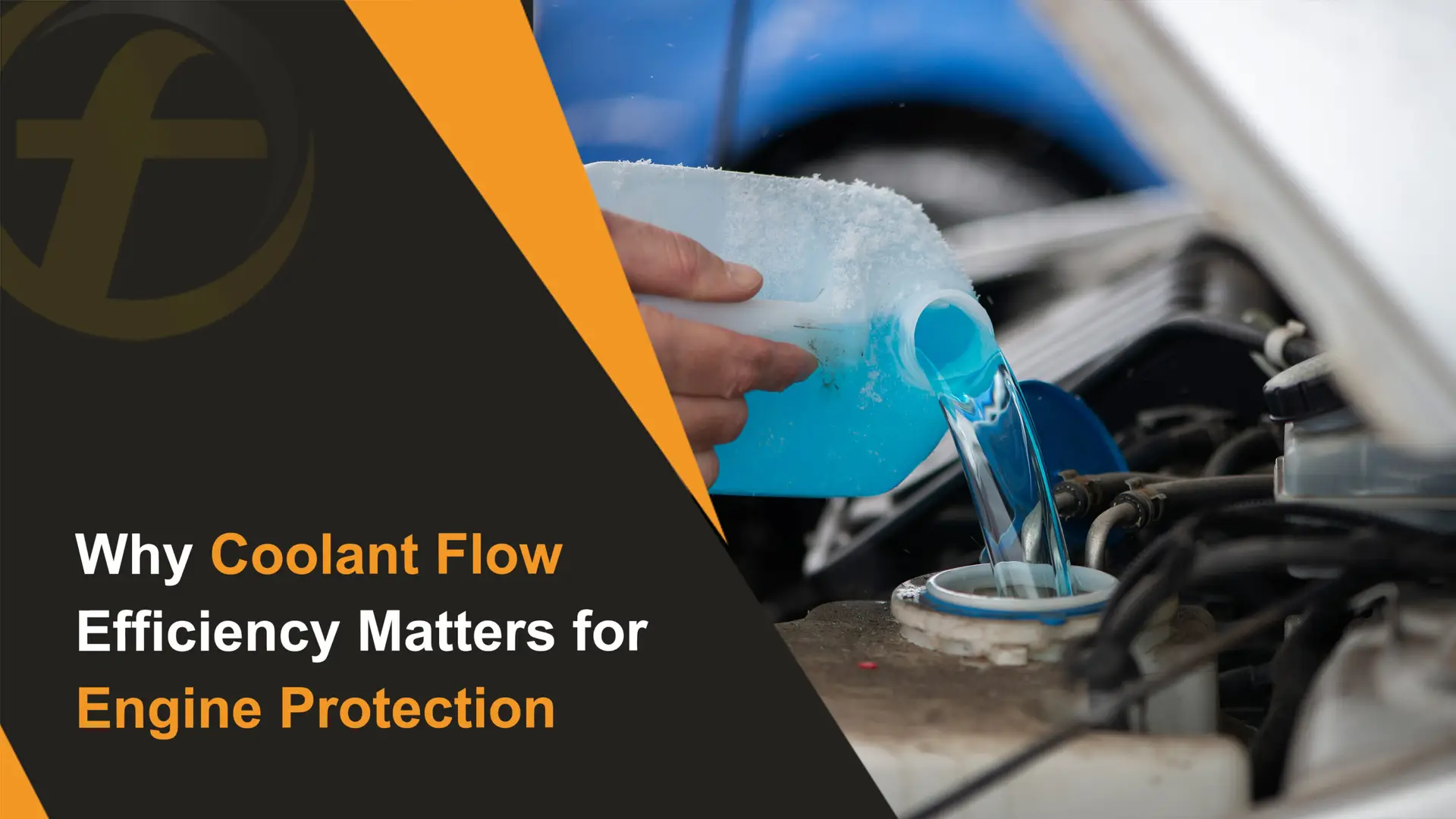
Have you ever wondered why some engines stay reliable for years while others develop overheating problems and costly repairs? The answer often comes down to something many drivers overlook—coolant flow efficiency. While coolant itself is important, how well it moves through the cooling system is just as critical.
Every time your engine runs, it generates a large amount of heat. To keep temperatures under control, coolant must circulate smoothly through the engine, radiator, and other cooling system components. When coolant flow is efficient, excess heat is removed quickly, helping the engine operate at the right temperature.
However, poor coolant flow can lead to overheating, increased wear, reduced performance, and even serious engine damage. At Fubex Lubricants, we offer high-quality coolants to keep your engine safe and running smoothly. Enjoy fast shipping, a price match guarantee, and easy returns. Need help picking the proper coolant for your car? Call us at +971 50 544 9614 — our friendly team is here to help!
Whether you drive a new vehicle or one with a reconditioned engine, maintaining proper coolant flow is essential for long-term engine protection. Understanding how coolant flow works and why it matters can help you prevent expensive repairs, improve engine performance, and extend the life of your vehicle.
Awais I., Sales Director, says, “Efficient coolant flow is key to engine protection. Proper circulation helps remove heat, prevent overheating, and protect engine components, ensuring reliable performance and longer engine life.”
Keep reading to explore how coolant flow efficiency protects your engine, the problems caused by poor circulation, and the simple steps you can take to keep your cooling system working at its best.
Understanding the Role of Engine Coolant
Engine coolant does more than just keep the engine cool. It helps protect the engine and cooling system in several important ways.
Keeps the Engine at the Right Temperature
A good coolant helps the engine stay at the correct temperature in all weather conditions. Whether it is very hot or very cold outside, coolant helps the engine run smoothly. This can improve performance, fuel efficiency, and reduce harmful emissions.
Protects the Engine All Year
Coolant works throughout the year, not just in summer or winter.
- In hot weather, it removes heat from the engine and helps prevent overheating.
- In cold weather, it stops the liquid inside the cooling system from freezing.
Because of this, coolant is important every day of the year.
Helps Prevent Rust and Corrosion
Quality coolant contains special additives that protect metal parts inside the cooling system. These additives help prevent rust and corrosion that can damage parts such as the radiator, water pump, heater core, and engine components. This protection helps the cooling system last longer.
Lubricates Important Parts
Coolant also helps lubricate some parts of the cooling system. It reduces wear on components such as water pump seals and gaskets. This helps these parts last longer and lowers the risk of cooling system problems that could lead to engine overheating.
The Primary Functions of Coolant
Coolant is an important fluid that helps keep your engine running properly. It does more than just cool the engine. It also protects engine parts and helps them work smoothly.
Cooling the Engine
One of the main jobs of coolant is to control engine temperature. When the engine is running, it produces a lot of heat. The coolant absorbs this heat and carries it to the radiator, where the heat is released into the air.
If there is not enough coolant in the system, the engine can overheat. This may damage important engine parts and lead to costly repairs.
Preventing Rust and Corrosion
Coolant contains special additives that help protect metal parts from rust and corrosion. These additives create a protective layer on engine components and cooling system parts.
Without enough coolant, rust and corrosion can develop more easily. Over time, this can damage parts and reduce engine performance.
Lubricating Engine Components
Coolant also helps lubricate important cooling system parts, such as the water pump and thermostat. This lubrication reduces friction and wear, helping these components work efficiently.
When coolant levels are low, these parts may not get enough lubrication. This can increase wear and may lead to mechanical problems or part failure.
Consequences of Using Low-Quality Coolant
Using poor-quality coolant or not changing it on time can cause serious and expensive problems for your vehicle.
Damage to the Cooling System
As coolant gets older, the additives that protect the cooling system start to wear out. This can lead to rust, corrosion, and scale buildup inside the system. Over time, these particles can block small passages in the radiator and heater core, making it harder for the system to remove heat. This can also cause parts to wear out faster.
Poor Heat Transfer
Old or low-quality coolant cannot carry heat away from the engine as effectively as it should. As a result, the engine may run hotter than normal. Higher engine temperatures can increase wear on engine parts, cause engine oil to break down faster, and may even lead to engine damage.
Higher Repair Costs
Ignoring coolant maintenance can become expensive. Damaged cooling system parts such as radiators, water pumps, heater cores, and thermostats often need costly repairs or replacements. Keeping coolant in good condition can help prevent these expenses and keep your vehicle running smoothly.
Why Oil and Coolant Flow Matter for Range Rover Recon Engines
Range Rovers are known for their power, durability, and strong performance. Many vehicle owners choose recon (reconditioned) engines because they are often more affordable than buying a brand-new engine. However, to keep a recon engine running well, proper maintenance is very important.
Two of the most important factors for engine health are oil flow and coolant flow. These fluids help protect the engine from overheating, excessive wear, and costly damage. They also help the engine operate smoothly and efficiently.
Oil Flow
Engine oil helps reduce friction between moving engine parts. Without enough oil flow, metal parts can rub against each other, causing wear and damage. Proper oil circulation keeps engine components lubricated, helps the engine run smoothly, and lowers the risk of major repairs.
Coolant Flow
Coolant helps control engine temperature by carrying heat away from the engine. If coolant does not flow properly, the engine can overheat, which may lead to serious damage. Good coolant circulation helps keep the engine at the correct operating temperature and supports reliable performance.
For a Range Rover recon engine, maintaining proper oil and coolant flow is essential for long engine life, better performance, and fewer repair costs.
Preventing Coolant Breakdown
Taking care of your coolant can help it last longer and keep your engine running properly. Here are some simple ways to prevent coolant breakdown:
Check Coolant Regularly
Inspect your coolant from time to time to make sure it is in good condition. Regular checks can help you find problems such as contamination, low protection levels, or coolant that is starting to break down.
Replace Coolant on Time
Change the coolant according to your vehicle manufacturer’s recommendations. Fresh coolant helps remove dirt and contaminants while keeping the cooling system working efficiently.
Use the Right Coolant
Always use the coolant recommended for your vehicle. Different engines need different coolant formulas. Using the correct type helps prevent corrosion and protects engine parts.
Fix Leaks Quickly
If you notice a coolant leak, repair it as soon as possible. Leaks can lower coolant levels and allow dirt and contaminants to enter the cooling system.
Maintain the Cooling System
Regularly inspect important cooling system parts such as the radiator, hoses, thermostat, and water pump. Make sure they are working properly and are free from blockages. A well-maintained cooling system helps coolant perform at its best.
The Risks of Using the Wrong Coolant
Using the wrong coolant in your vehicle can cause several problems. It can damage engine parts, reduce cooling performance, and even affect your vehicle’s warranty.
Damage to Engine Parts
Different coolants are made with different chemicals. If you use a coolant that is not recommended for your vehicle, it may react with engine components. This can cause rust, corrosion, or damage to rubber seals and hoses. Over time, these problems can lead to leaks and expensive repairs.
Reduced Cooling Performance
Each type of coolant is designed to work within certain temperature ranges and help transfer heat away from the engine. Using the wrong coolant can reduce the cooling system’s efficiency. As a result, the engine may run hotter than normal, increasing the risk of overheating and engine damage.
Warranty Problems
Many vehicle manufacturers recommend a specific type of coolant for their engines. If you use the wrong coolant and a problem occurs, the manufacturer may reject your warranty claim. This means you would have to pay for repairs yourself.
To avoid these risks, always use the coolant recommended by your vehicle manufacturer.
Optimizing Coolant Flow in Reconditioned Range Rover Engines
The cooling system plays an important role in keeping an engine healthy and running properly. Since reconditioned Range Rover engines have already been used before, it is important to maintain good coolant flow to prevent overheating and engine damage.
Use the Correct Coolant
Choosing the right coolant is very important. A quality coolant helps protect the engine from overheating, freezing, rust, and corrosion. Always use the coolant recommended by the vehicle manufacturer and follow the correct mixing instructions.
Maintain the Correct Coolant Mixture
Most vehicles require a proper mix of coolant and distilled water. The correct ratio may vary depending on the vehicle model, so it is best to check your owner’s manual. Using the right mixture helps the cooling system work efficiently in both hot and cold weather.
Flush the Cooling System Regularly
Over time, coolant can become dirty and lose its ability to cool the engine effectively. Flushing the cooling system removes old coolant, dirt, and contaminants that can cause blockages. Follow the manufacturer’s recommended service schedule for coolant replacement.
Check for Coolant Leaks
Coolant leaks can lower coolant levels and cause the engine to overheat. Regularly inspect hoses, the radiator, and the water pump for signs of leaks. Fixing leaks early can help prevent costly repairs.
Inspect the Thermostat
The thermostat controls the flow of coolant based on engine temperature. If it stops working properly, the engine may run too hot or too cold. A faulty thermostat can also affect fuel efficiency and engine performance. Replace it if necessary.
Monitor Engine Temperature
Keep an eye on the coolant temperature gauge while driving. If the temperature stays higher than normal, it may be a sign of a cooling system problem, such as low coolant levels, a blocked radiator, or a faulty thermostat. Addressing these issues quickly can help protect the engine from damage.
Final Takeaways
In conclusion, coolant flow efficiency plays a key role in protecting your engine from overheating, excessive wear, and costly damage. When coolant moves smoothly through the cooling system, it removes heat effectively, helps maintain the right engine temperature, and protects important components from rust and corrosion.
Regular maintenance, timely coolant changes, and keeping the cooling system in good condition can help ensure proper coolant flow. By paying attention to coolant flow efficiency, you can improve engine performance, extend engine life, and avoid expensive repairs in the future.
FAQs
Q1: Is premium coolant only used in new vehicles?
No. Premium coolant can be used in both new and older vehicles as long as it is compatible with the cooling system and meets the vehicle manufacturer’s recommendations.
Q2: Does premium antifreeze always provide better protection?
Not necessarily. The word “premium” does not automatically guarantee better protection. What matters most is using a coolant with the right formulation, proper compatibility, and strong corrosion protection for your vehicle.

Editor-at-Large
A passionate writer in the lubricant industry, Awais Iqbal has been covering oils, greases, and industrial fluids since the start of his career. At 25, he’s already written for blogs, catalogs, and brand guides across the UAE. Awais’s insights help companies connect with their audience, and his clear, helpful writing style is trusted by brands in the region.