

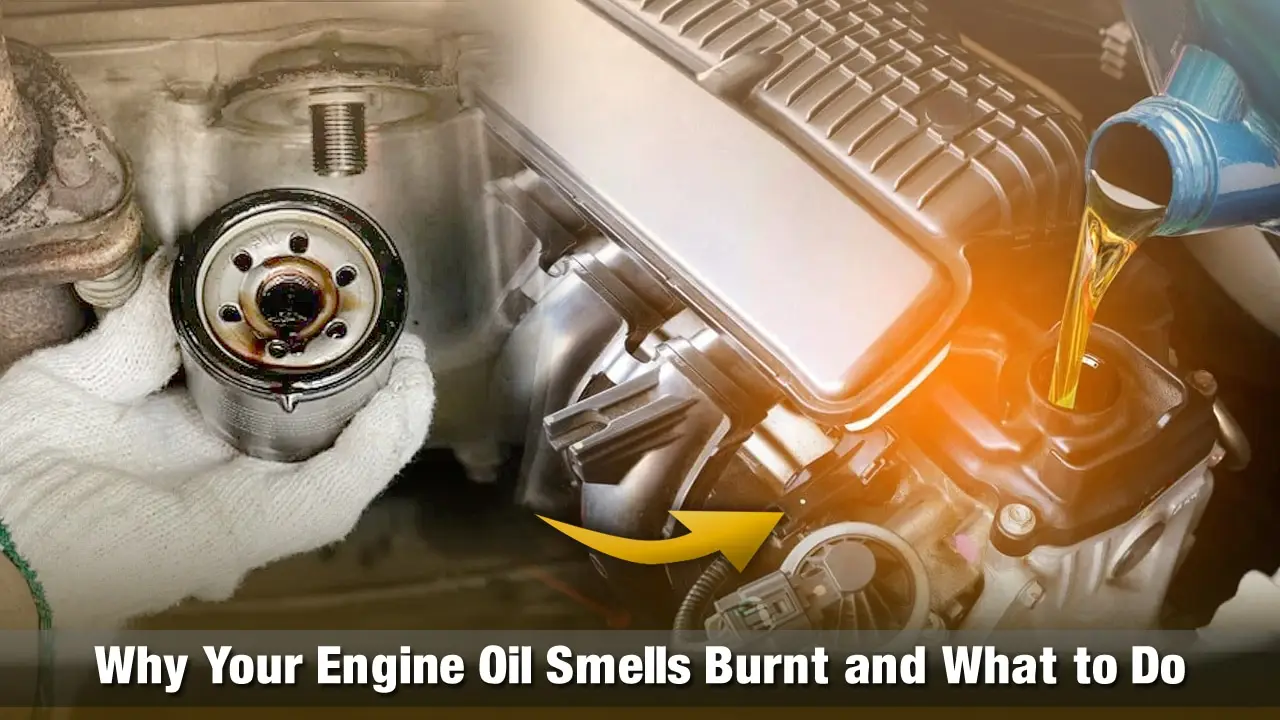
Have you noticed a burning oil smell while driving your car? While this may appear to be a minor issue, it could be an indication that you need to do something about your engine. Usually, the presence of burnt engine oil smell means that your oil is either burnt, leaking, or simply old. If neglected, this could result in a bad performance of your engine or repair costs.
The good thing is that you can save yourself from the problems if you are able to identify the cause in time. We at Fubex Lubricants make sure that you have the best engine oil that protects your engine while lessening the wear and keeping it running smoothly. Do you require assistance in finding the ideal engine oil to meet your needs? Contact us at +971 50 544 9614 for expert advice.
Awais I., Sales Director, says, “A burning engine oil smell is often an early warning sign that should never be ignored. Regularly checking the engine oil, promptly repairing any leaks, and choosing the appropriate oil type are essential in order to keep the engine in good condition, enhance its performance and avoid expensive repairs.”
In this guide, you’ll learn why your engine oil smells burnt, the common signs to watch for, what causes the problem, and the steps you can take to keep your engine running smoothly.
Key Highlights
- A burning oil smell could mean that there is leakage of oil, old oil in the engine, or some problem with the engine.
- Blue smoke, warning lights, and high oil usage should be on your radar.
- You need to make sure that you continually monitor the oil level in your car.
- Any leakage problem should be sorted out as soon as possible.
- Changing the oil regularly is key to maintaining an efficient engine.
Key Signs Your Car is Burning Oil
An engine problem with your car causing it to burn oil should be fixed immediately. Here are some common symptoms:
- Engine Oil Burning Smell: There will likely be a very strong burning odor if engine oil is leaking to the hot engine parts
- Smoke from Exhaust: This is usually a sign that engine oil is being burned along with the fuel in the combustion chamber resulting in blue-gray smoke in the exhaust
- Low Oil Warning Light Coming On: If this happens frequently, there may be a problem with excessive consumption of engine oil by the engine.
- Engine Compression Issues: Engine oil burning can cause a reduction in engine compression below 100 psi per cylinder due to worn out engine components.
- Coolant Problems: If engine oil mixes with the coolant, it can negatively affect the cooling properties of the coolant and thus needs to be checked along with the engine oil.
Vehicles consume different amounts of oil depending on the vehicle model. Always check your owner’s manual to understand the normal oil consumption for your specific vehicle model.
Understanding Oil Consumption
Your engine will function optimally only if it gets the correct quantity and kind of engine oil. The oil has different uses, which include lubrication of engine parts, maintenance of temperature, and ensuring smooth engine operation.
There are diverse amounts of engine oil depending on the type of engine. In some cases, an engine with four cylinders requires about five quarts of oil, whereas small engines require relatively lesser amounts of oil. It is advisable to refer to the owner’s manual regarding the oil needed by the engine and the appropriate period for its replacement.
Normal vs. Excessive Oil Consumption
Every vehicle uses engine oil differently, so there is no fixed amount of oil consumption that is considered normal for all cars. Generally, the fewer miles a vehicle travels, the less oil it will use. In case your vehicle has below 50,000 miles, the use of one quart of oil between oil changes might be okay.
But in case you notice the rapid usage of oil by the engine, then there is something wrong with it. You should have your vehicle checked out for the problem.
Common Causes of a Burning Oil Smell in Your Car
A burning oil smell is often a sign that something is wrong with your engine or its oil system. Here are the most common causes:
Oil Leak
Among the other causes of the burning oil smell, the most common is known to be oil leaking. When there is a crack in the valve cover or a seal has been damaged, it can allow the engine oil to drip onto the hot components of the engine, or exhaust system, resulting in an unpleasant odor due to the burning oil.
Improper Oil Change
If you notice a burning smell after changing the oil, you might have had some oil leak on the engine as a result of the oil change. This smell will usually dissipate within a short drive, but if it continues, you should take your vehicle to a mechanic.
Worn or Damaged Gaskets and Seals
The engine gaskets and seals may lose their function due to age, especially if the oil changes have not been carried out on time. Because of this, the engine oil can leak out and combust, leading to a burning smell.
Faulty PCV System
The Positive Crankcase Ventilation system helps to eliminate harmful things from the engine. In case the PCV valve is broken, there can be excess pressure in the engine and oil leakage leading to burning oil smell.
Serious Engine Problems
Sometimes, a burning smell of oil indicates serious issues with the engine. Engine problems such as damaged cylinders and pistons will create a burning oil smell. Please, do not hesitate to contact a mechanic if this smell worsens or does not go away.
How to Find the Source of the Burning Oil Smell
If you can smell burning oil, you may need to check for problems.
Conduct a Visual Inspection
After ensuring that the engine is cool, raise the bonnet and check for oil seeping or damp areas. It is advisable to examine around the valve cover, oil filter and engine seals for any irregularities. In case there is oil dripping down on hot engine and exhaust parts, it means that there is a leakage in the oil system.
Inspect the Engine Oil Level
Take the dipstick and check the level of engine oil. If the oil is too low, you may have a leak somewhere. If it’s too high, too much oil can smell like burning oil, too. Regular checking of oil level avoids problems with the engine.
Watch the Engine Temperature
Keep an eye on the temperature gauge while driving. In case of an engine overheating or if the temperature fluctuates frequently, the smell of burning can be coming from it. Furthermore, inspect the coolant levels and search for leaks in the radiator and hoses.
Check Engine Compression
Engine compression being low, may indicate worn out piston rings or damaged cylinders. If the readings are low or uneven, have your vehicle inspected by a qualified mechanic to find the problem and recommend the right repair.
How to Stop Your Car from Burning Oil
The suitable type of repair required would depend on the cause of oil burning in your car. Some problems are not difficult to fix, as in the case of the defective PCV valve or improper motor oil viscosity. On the other hand, there are problems requiring major repairs, such as worn-out piston rings or valve seals.
In case your car is burning oil, you should not overlook this issue. You should have it checked and fixed without delay since fixing it early may prevent serious engine damage and expensive repair later on.
How to Know It’s Time for an Oil Change
Here are some simple signs to tell when you need to change your car’s oil:
- Oil Life Monitor: If your vehicle comes with an oil life monitor, pay attention to it. This will help you not to damage the engine.
- Pay Attention to Unusual Smells: A burning oil smell or other unusual odors can be a sign that your engine oil needs to be changed or checked.
- Check the Engine Oil before Long Journeys: Before going on a road trip, it would be wise to check the engine oil first. It will give the needed protection to your engine during the long trip ahead.
- Maintenance Schedule: Changing oil and maintaining your car regularly will improve its performance and prolong the lifespan of the engine.
Final Takeaways
A burning engine oil smell cannot be overlooked under any circumstances. This could either mean an engine problem or an engine oil leakage. Early detection and prompt treatment will enable you to avoid future expenses and engine problems.
Performing regular checks on engine oil, oil changes, and using appropriate engine oil is the surest way of ensuring that your car is well taken care of. In case of persistent burning engine oil smell, you are advised to take your car for inspection.
FAQs
Q1: Why does my car smell like burning oil?
The smell of burning oil indicates that there is an oil leak in the engine and it is dripping on heated engine components like exhaust pipes. The other causes may include excessive engine oil or seals/gasket wear. Take your car for inspection immediately before it suffers engine damage.
Q2: Can a burning oil smell harm my engine?
Yes, there is a possibility that the smell is related to an oil leak. In case of an excessive loss of oil by the engine, it would suffer from lack of lubrication.

Editor-at-Large
A passionate writer in the lubricant industry, Awais Iqbal has been covering oils, greases, and industrial fluids since the start of his career. At 25, he’s already written for blogs, catalogs, and brand guides across the UAE. Awais’s insights help companies connect with their audience, and his clear, helpful writing style is trusted by brands in the region.