

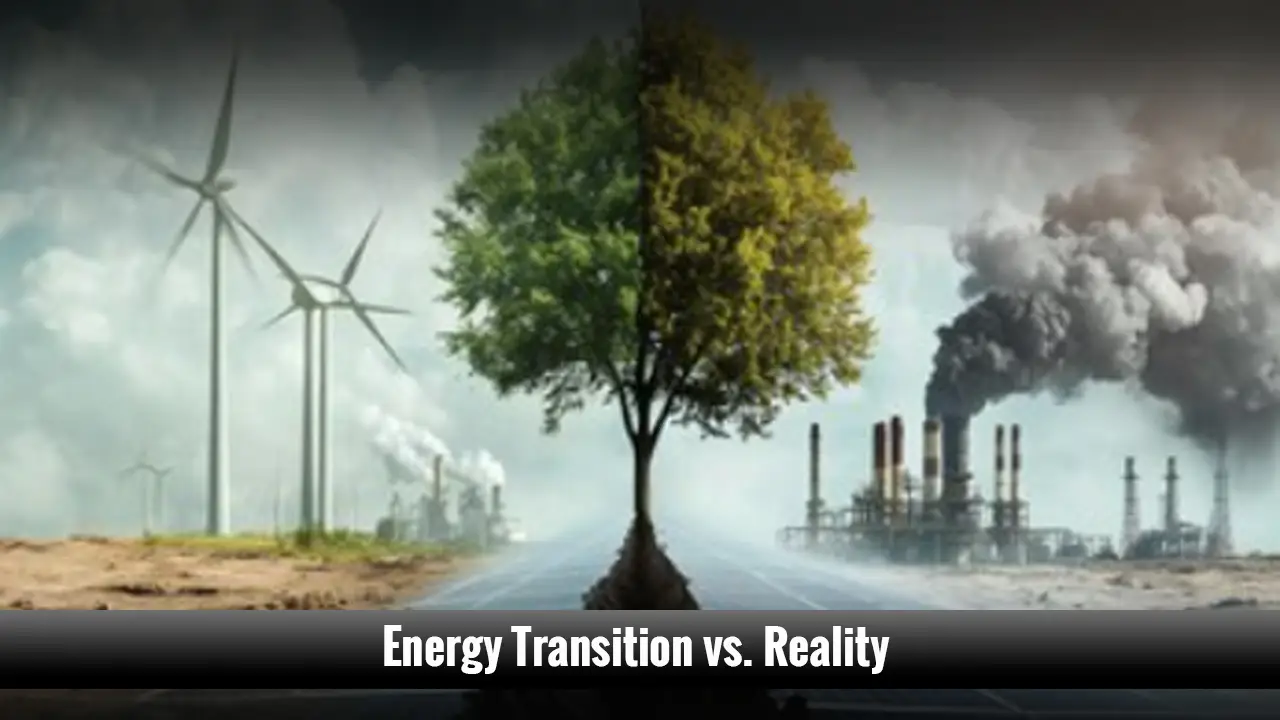
Electric vehicle (EV) adoption is entering a new stage, driven by stronger progress in key supporting factors. In the passenger transport sector, EVs have clearly become the leading technology, shifting from niche markets into the mainstream. Adoption levels still vary across regions, but globally, more than one in four new cars now comes with a plug—helping oil-importing countries collectively reduce demand by over a million barrels per day.
As the market expands, new challenges are emerging. Scaling EV adoption will require major improvements in infrastructure and supply chains. This includes increased investment in manufacturing, better grid readiness, and wider access to affordable vehicles and charging solutions. Continued research, supportive policies, and advanced tools will play a crucial role in expanding charging networks, managing rising electricity demand, and improving battery recycling and reuse.
Meanwhile, battery electric trucks are progressing from early pilot stages into niche markets. Several models are already available, with more close to commercial launch. Ongoing advancements in cost and performance are expected, but further growth will depend on scaling dedicated use cases—such as trucking corridors—to support wider adoption.
Oil and Gas Technology Today
Oil and gas technology today includes integrated systems, digital tools, and automation platforms that support every stage of the energy value chain—from exploration and production to refining and distribution. Modern advancements in this industry focus on two key areas:
- Information Technology (IT): Systems that handle data management, analytics, finance, and business operations
- Operational Technology (OT): On-site systems that monitor and control equipment, sensors, pipelines, and physical processes
Today, these two areas are closely connected through digital workflows. This integration helps streamline tasks such as permit approvals, supplier coordination, maintenance planning, and regulatory reporting.
At the same time, the industry continues to face challenges like strict environmental and safety regulations, high-risk operating conditions, and the growing need for smarter automation. Instead of relying fully on autonomous systems, companies are adopting a human-in-the-loop approach, where experts like engineers and safety teams oversee critical decisions while automation handles repetitive tasks.
This balance between efficiency and human control defines the current evolution of oil and gas technology—helping companies improve safety, reduce delays, and maintain compliance in a complex operating environment.
Advanced Analytics and Big Data
Advanced analytics and big data are transforming how oil and gas companies manage operations. By analyzing multiple variables and using condition-based monitoring, companies can run scenario-based simulations and predict maintenance needs in advance—allowing them to fix issues before equipment failure occurs.
The role of big data will continue to expand as companies use it to build customized predictive models and optimize drilling performance. These models help improve decision-making, streamline operations, and enhance overall efficiency.
One of the key challenges in the industry is data accuracy, as much of the information comes from underground sources or manual inputs, which can sometimes be unreliable. However, modern data analytics tools can process and identify patterns across hundreds of constantly changing variables. This capability helps improve production efficiency, strengthen risk assessment, enhance operational performance, and ultimately reduce overall production costs.
The Central Role of Oil Companies in the Global Economy
Oil companies remain a cornerstone of the global economy. They generate significant revenue for exporting nations while playing a critical role in the broader energy market. Their impact goes beyond oil supply, influencing key sectors such as chemicals, transportation, and power generation.
Rather than simply producing crude oil, these companies operate across a complex value chain that includes production, refining, distribution, and sales. This interconnected system supports economic activity worldwide, creating a strong multiplier effect that drives growth in both producing and consuming regions.
Changes in oil prices can shape national economies, influence energy policies, and even affect geopolitical relationships. This highlights the ongoing challenge for oil companies—meeting global energy demand while aligning with sustainability goals.
At the same time, technological innovation is reshaping the industry. Tools like artificial intelligence are helping companies better predict market trends, improve efficiency, and respond quickly to fluctuations.
Looking ahead, the future of oil companies will depend on their ability to adapt, innovate, and evolve within a rapidly changing energy landscape, especially as the world moves toward cleaner energy and faces ongoing global uncertainties.
Also Read: War & Energy Crisis in the Middle East

Editor-at-Large
A passionate writer in the lubricant industry, Awais Iqbal has been covering oils, greases, and industrial fluids since the start of his career. At 25, he’s already written for blogs, catalogs, and brand guides across the UAE. Awais’s insights help companies connect with their audience, and his clear, helpful writing style is trusted by brands in the region.