

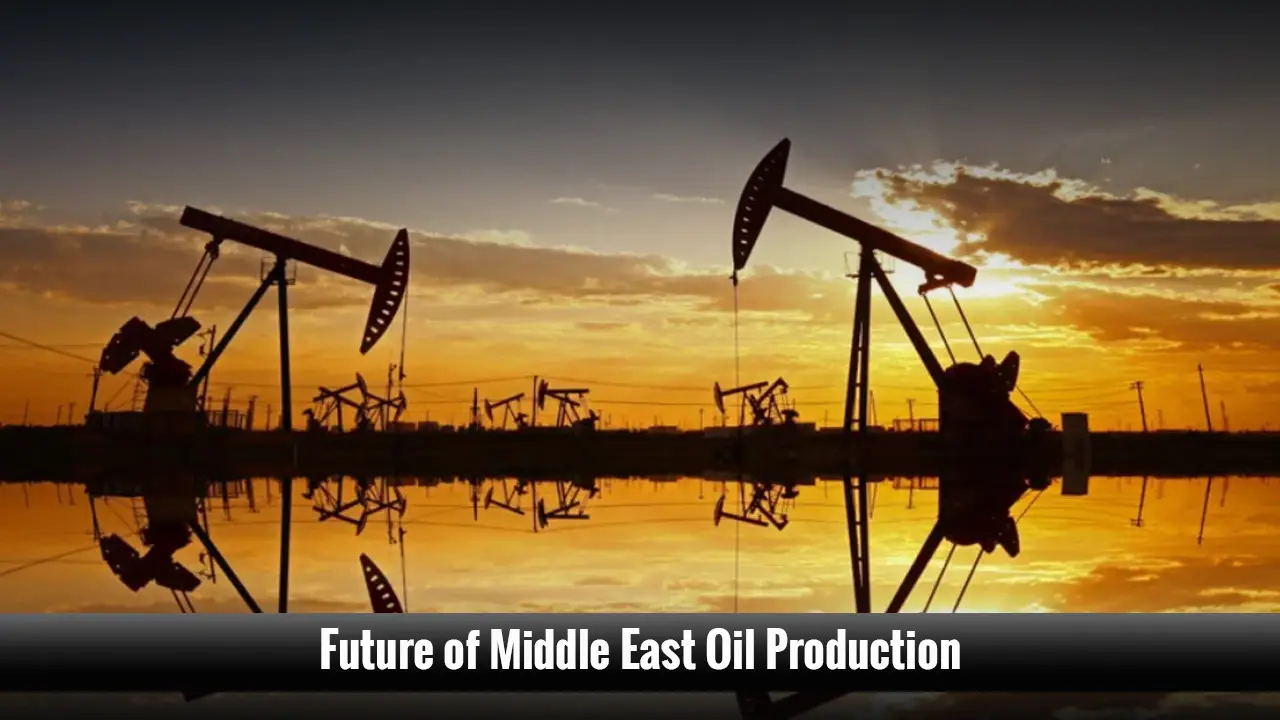
The continued oversupply of oil, falling crude prices, and the fast global shift toward cleaner energy are creating challenges for Middle Eastern oil-exporting economies. These changes are also influencing the broader lubricant industry, particularly in terms of feedstock costs, pricing strategies, and market stability.
According to industry estimates, the global oil market is expected to remain in surplus in 2026, with supply exceeding demand by a significant margin. At the same time, crude oil prices are projected to stay relatively low, around $55 per barrel. Lower crude prices can reduce base oil production costs, which may benefit lubricant manufacturers. However, they also put pressure on oil-dependent economies, potentially affecting infrastructure spending and industrial activity—key drivers of lubricant demand.
Many Middle Eastern countries are likely to face budget deficits under these price conditions. Nations heavily reliant on oil revenues may reduce public spending, which could slow down construction, transportation, and industrial projects. This, in turn, may lead to softer demand for lubricants in certain sectors.
While some countries have made progress in diversifying their economies, the overall reliance on oil revenues remains a challenge. Markets that are more diversified are better positioned to manage price fluctuations and maintain steady industrial activity.
The situation is particularly difficult for economies that require significantly higher oil prices to balance their budgets. This gap between required and actual oil prices highlights ongoing financial pressure, which can indirectly impact regional demand for lubricants and related industrial products.
Overall, while lower oil prices may offer cost advantages for lubricant production, the broader economic impact on oil-exporting regions could create mixed outcomes for market demand.
Policy Response After Supply Disruptions
Following major supply disruptions, governments and global institutions have acted quickly to stabilize energy markets and control rising price pressures. These actions are directly influencing the lubricant industry by affecting base oil availability, supply chains, and overall market stability.
One of the most immediate steps has been the release of strategic petroleum reserves. Major economies, led by the United States and supported by International Energy Agency member countries, have coordinated large-scale releases of emergency oil stocks. This has helped ease short-term supply shortages and stabilize crude prices, which are critical for base oil production and lubricant pricing.
At the same time, efforts have focused on maintaining the flow of oil through key shipping routes such as the Strait of Hormuz. This route is vital for global oil supply, and any disruption can directly impact feedstock availability for lubricant manufacturers worldwide.
To support safe transit, measures such as tanker insurance support, naval escorts, and international coordination have been introduced. Rising war-risk insurance costs have been a major challenge, as higher premiums or lack of coverage can discourage shipping activity. For the lubricant industry, this can lead to delays in raw material supply and increased logistics costs.
Governments have also explored providing financial guarantees and insurance backing to reduce risks for shipping companies. However, ongoing geopolitical tensions and operational uncertainties continue to limit the full effectiveness of these measures.
In some cases, military-supported shipping routes and escorted convoys have been considered to ensure the continued movement of oil. While these approaches can help maintain supply flows, they often operate under high-risk conditions, which can still impact overall market confidence.
Overall, these policy responses aim to keep oil moving and markets stable. For the lubricant industry, maintaining steady supply chains and managing cost fluctuations remains critical during such periods of disruption.
Significant Impact on Oil Supply
The current disruption in oil supply highlights a high-risk environment, especially given the Middle East’s critical role in global energy markets. A large volume of supply has been affected, creating uncertainty across industries that depend on stable crude flows, including the lubricant sector.
Estimates suggest that a significant portion of global oil supply has been disrupted, making it one of the largest shocks the market has experienced. For lubricant manufacturers, this raises concerns about feedstock availability, production planning, and pricing stability.
However, it is important to view this disruption in context. Today’s global oil market is much larger and more diversified than in the past. Even with a sizable supply impact, the overall share of disruption is relatively smaller compared to earlier crises. This has helped prevent extreme price spikes, keeping oil prices elevated but still within a manageable range for industrial operations.
Market reactions during such periods are often influenced by uncertainty as much as by actual supply loss. This can lead to fluctuations in crude prices, which directly affect base oil costs and lubricant pricing. Despite this, the market has shown a level of resilience, supported by alternative supply routes, strategic reserves, and flexible logistics.
Another key factor is that much of the disruption is linked to logistical challenges rather than permanent damage to oil infrastructure. This means supply can potentially recover more quickly once conditions stabilize, reducing long-term impact on lubricant production.
That said, risks remain. Any further escalation could tighten supply conditions and increase cost pressures across the value chain. For the lubricant industry, maintaining supply chain flexibility and managing price volatility will be essential in navigating this uncertain environment.
Overall, while the disruption is significant, the global oil market’s scale and adaptability are helping to cushion its impact, offering some stability for lubricant producers and end users.

Editor-at-Large
A passionate writer in the lubricant industry, Awais Iqbal has been covering oils, greases, and industrial fluids since the start of his career. At 25, he’s already written for blogs, catalogs, and brand guides across the UAE. Awais’s insights help companies connect with their audience, and his clear, helpful writing style is trusted by brands in the region.