

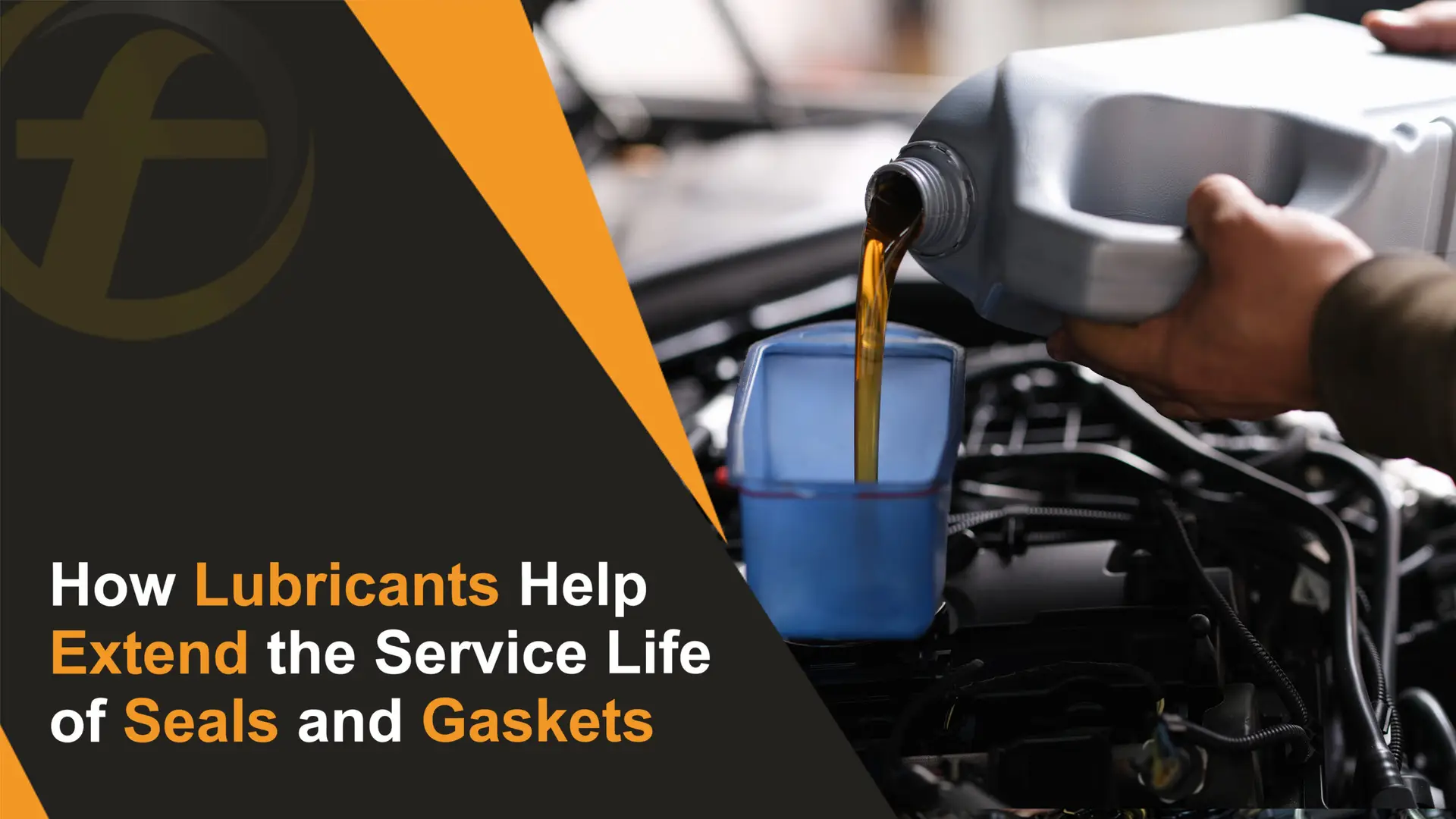
A tiny rubber seal may not be a big deal, but what happens when it starts to fail? Leaks, dirt and moisture getting into the system, and expensive repairs can be caused by a worn or damaged seal. That is where seals and gaskets need proper care like other engine and machine parts.
Lubrication plays an important role in protecting these parts. The right lubricant can reduce friction, prevent excessive wear and maintain seal flexibility for longer.
Knowing how lubricants function to prolong the service life of seals and gaskets can help vehicle owners and industries prevent leaks, protect equipment and keep systems running smoothly. At Fubex Lubricants we ensure you get the best engine oil that protects your engine, reduces wear and keeps it running smoothly. If you need help choosing the right engine oil for your needs, Contact us on +971 50 544 9614 for expert advice.
Awais I., Sales Director, says, ‘‘Using the right lubricant can help protect seals and gaskets from friction, wear, and damage. Proper lubrication not only helps prevent leaks, but it also helps equipment last longer and be more reliable.”
Read on to learn how proper lubrication can extend the life of seals and gaskets and keep your equipment running smoothly.
What is Sealing?
Sealing is the ability of a system to prevent leaks, and to keep out unwanted materials such as air, water and dust. In an engine, proper sealing in the combustion chamber is very important. Here the air and fuel mixture is burned to provide power. If the chamber is not sealed correctly, some of the energy and gasses can escape. This may result in an engine power loss and an increase in fuel consumption.
And this is where engine oil plays a part. The oil forms a thin film between the piston and the cylinder for protection. The film fills the small gaps between metal surfaces. This stops metal from touching metal.
Engine oil seals these tiny gaps so that the combustion gasses stay inside the chamber. This enables the engine to make better use of the energy produced by combustion and cuts down on the wear and tear of engine parts.
Why is Sealing So Important?
Proper sealing allows vehicles and machinery to operate safely and efficiently. The leakage is prevented, thereby preventing the loss of the lubricant, maintenance expenses, and the machine downtime.
- Prevents Contaminants from Entering: A proper seal will prevent dust, water, and metallic particles from entering the lubricant, hence damaging the lubricant.
- Improves Efficiency: The lubricant is able to access the moving parts easily, thereby reducing friction and energy loss.
Sealed lubricants will offer better protection of the moving parts of machines.
How Do Lubricants Protect Seals and Gaskets?
The proper lubricant keeps seals and gaskets flexible and working properly for a time. The lubricant reduces friction between seals and moving parts. The lubricant limits wear. The lubricant helps control heat that could damage the material.
The lubricant also protects against moisture, dirt and other contaminants that might cause damage. By keeping a seal the lubricant reduces leaks. The lubricant extends the service life of seals and gaskets.
Sealing and Better Engine Efficiency
Lubricants create a seal between piston rings and cylinder walls. This seal keeps compression inside the engine. The engine then produces power and loses less energy.
A good oil film lets the engine run smoothly and use fuel wisely. Fubex Lubricants also supports engine performance. Better engine performance can improve fuel economy.
Protection Against Corrosion and Oxidation
Lubricants help protect engine parts from corrosion and oxidation. Heat, moisture and air can damage metal parts. Cause engine oil to break down over time.
High‑quality lubricants contain additives that help prevent rust and slow oil oxidation. These additives keep engine parts protected and help the oil longer.
Using the lubricant can help maintain engine performance, reduce wear and support a longer engine life.
Why Lubrication is Essential for Your Engine
An engine has hundreds of moving metal parts that work under high pressure and heat. Without proper lubrication, these parts can rub against each other, creating friction and heat that may cause serious damage.
Lubricants for engines help to create a layer between moving parts. Thus, there is no direct metal contact that leads to wear and overheating of the engine. Proper lubrication will ensure smooth operation.
Reducing Friction and Wear
Engine oil has an advantage: it reduces friction and wear. Fubex Lubricants creates a film that prevents metal parts from rubbing against each other. When there is friction there is less wear and the engine oil can keep the engine running more efficiently.
Engine oil also helps the vehicle perform well and saves fuel during long trips or when the engine is under heavy load. It ensures that the vehicle will function efficiently and effectively even when on the road for long periods of time and during strenuous conditions.
Cleaning the Engine and Preventing Sludge
With time, dirt, soot, and other waste products may develop inside the engine. If not checked in time, such contaminants will form sludge and deposits that will make the movement of oil difficult.
Lubricants are designed in such a way that they contain some special additives called detergents and dispersants to deal with contaminants and minimize sludge formation.
An engine that is free of contaminants will perform better and last longer. This is another important way lubricants help extend engine life.
Why Maintaining Lubricating Oil Matters
Lubricating oil does more than reduce friction between moving metal parts. Lubricating oil protects parts from metal to metal contact, carries heat away and removes dirt and other harmful particles.
Over time lubricating oil can collect dust, water, metal particles and other contaminants. If lubricating oil is not checked and maintained regularly lubricating oil can lose its ability to protect the machinery. In many cases, this leads to friction wear, overheating, corrosion and unexpected breakdowns.
Good maintenance through oil ensures that the machines run smoothly and effectively. Maintenance could also help save on costs incurred for repairs as well as extend the longevity of the machines. Fubex Lubricants is able to ensure proper operation through proper preventative maintenance.
Practical Tips for Lubricating Oil Maintenance
- Oil Analysis: Perform oil analysis on a regular basis to detect any issues in advance and to avoid expensive repairs of machinery.
- Filtration & Cleanliness: Maintain proper filtration and cleanliness of the lubricating oil to increase the life of machinery and minimize malfunctions
- Proper Storage: Lubricants must be stored under proper conditions – in a cool, dry and temperature controlled area in closed containers to avoid contamination
- Use Correct Type of Oil: Use lubricant which is recommended by the manufacturer and is appropriate for the existing operating conditions
- Operating Conditions: Excessive temperatures and heavy loads accelerate the degradation of oil. Keep track of operating conditions and replace oil where necessary.
How Maintenance Prolongs Machinery Life
Good lubrication oil can help to protect the machinery from friction, wear and heat. Well oiled machines can break down less and can take less energy. Regular oil maintenance helps machines run smoothly for a time. It also cuts down on repairs and lowers the risk of unexpected breakdowns.
When machines get the maintenance they work better, last longer and end up costing less to keep in good shape.
Final Takeaways
Seals and gaskets may be small, but they play an important role in keeping engines and machinery running smoothly. The right lubricant helps reduce friction, control heat, and protect these parts from wear and damage.
Regular maintenance and choosing the right lubricant can help extend seal and gasket life, prevent leaks, and reduce repair costs. With quality lubrication from Fubex Lubricants, you can help protect your equipment and keep it running reliably for longer.
FAQs
Q1: What type of lubricant should I use for rubber seals?
Silicone based lubricants (spray or grease) work well with rubber seals. They reduce friction, protect the rubber and help to prevent it drying and cracking. Make sure to follow all manufacturer recommendations.
Q2: How can I increase engine oil life?
There are things you can do to help your engine oil work better, longer. You need to select the right quality engine oil and avoid too many short trips which can affect the life of the engine oil.

Editor-at-Large
A passionate writer in the lubricant industry, Awais Iqbal has been covering oils, greases, and industrial fluids since the start of his career. At 25, he’s already written for blogs, catalogs, and brand guides across the UAE. Awais’s insights help companies connect with their audience, and his clear, helpful writing style is trusted by brands in the region.