

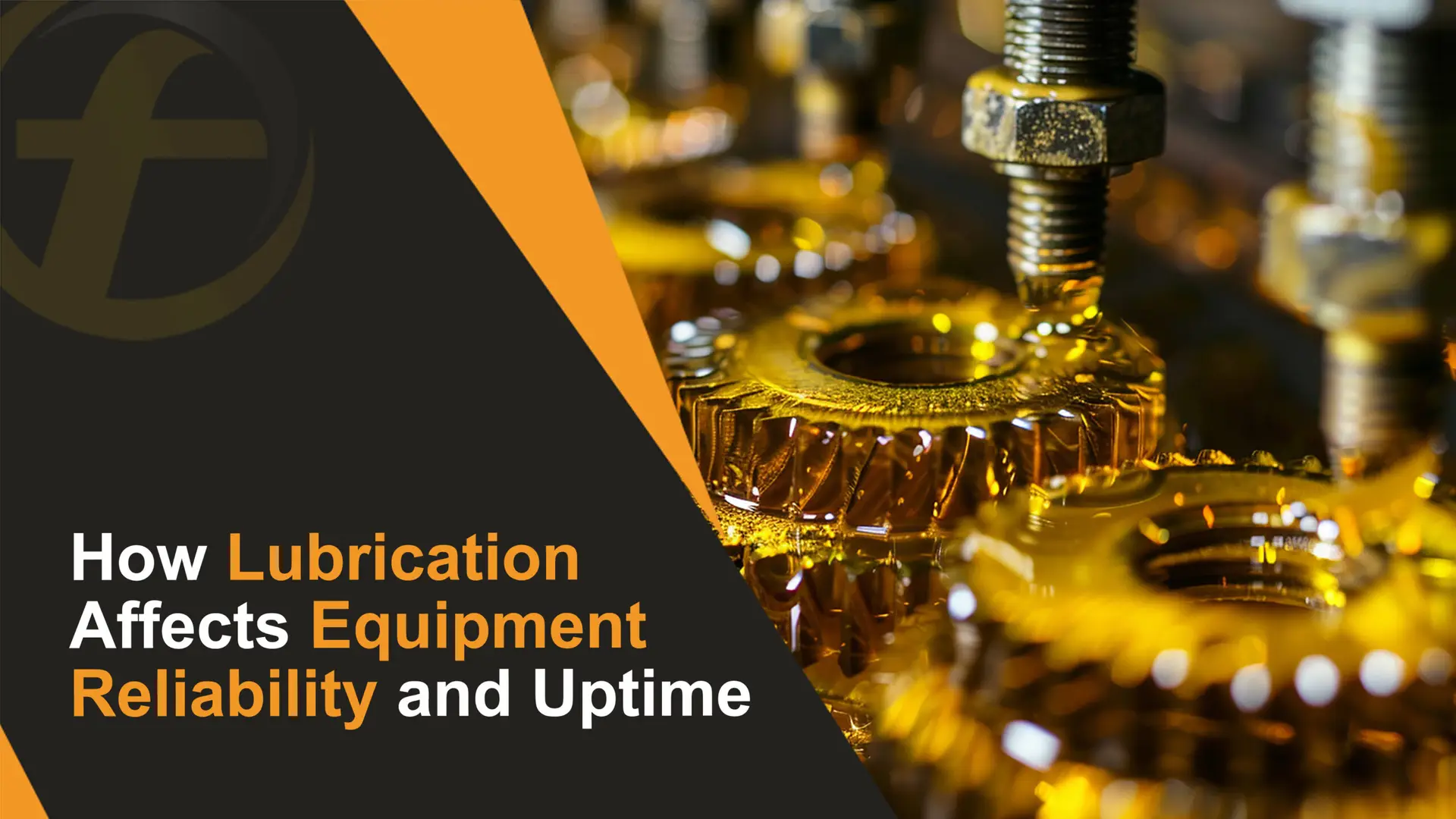
What makes a machine work smoothly, day after day? Lubrication may be a small part of maintenance, but it can make a big difference. Without proper lubrication on machines, friction and wear build up which cause overheating, damage and unexpected downtime.
The information on understanding how lubrication affects equipment reliability and uptime will be valuable in protecting your equipment from any damage that might result from the failure of this machinery. Lubricants are used to minimize friction and wear in the machinery. Fubex Lubricants has got everything needed for your engine. Fast delivery, matched price, and no-hassle returns guaranteed. Not sure what kind of oil to choose? Contact us today at +971 50 544 9614.
Awais I., Sales Director, says: “The proper understanding of the impact of lubrication on the reliability of equipment will help to avoid wear, minimize the chances of breakdowns, and operate the equipment effectively.”
In this article, we’ll look at why proper lubrication matters and how it can improve equipment reliability and uptime.
Key Takeaways
- Lubrication minimizes friction, wear, heat, and corrosion, thus allowing smooth functioning of machinery and equipment.
- Selection of an appropriate lubricant depending on temperature, pressure, speed, and the machinery itself can help avoid any equipment damage or stoppage.
- Frequent lubrication and checking of the lubricant itself can help detect problems in advance.
- Maintaining lubricants free of dirt and other impurities ensures that the purity of the lubricants is maintained, thus reducing wear and tear of machinery.
- A good lubrication management program not only increases reliability of machines but also reduces costs.
What is Lubrication Reliability?
Lubrication reliability means making sure a lubricant does its job properly under the conditions a machine operates in. Good lubrication will improve machine performance, decrease wear and tear, and avoid unexpected malfunctions.
The use of proper lubrication is very critical in different industries since equipment malfunction may result in expensive downtime and loss of productivity. Having enough lubricant and inspecting the lubricant may help you detect any possible fault in time.
The current maintenance approach is focused primarily on equipment reliability. Predictive maintenance, lean manufacturing, and total productive maintenance are among approaches that have the same aim – equipment reliability and increased efficiency.
Why Lubrication Matters for Reliable Operations
Friction happens whenever two moving surfaces come into contact. Gradually, this friction may lead to the formation of heat, wear, and damage. Lubrication helps through providing a thin layer of protective substance between two surfaces to minimize friction.
No matter what kind of system – hydraulic, conveyor, bearings, turbine, or centrifugal pumps – your facility operates, lubrication will help reduce friction, maintain temperatures at an acceptable level, prevent wear, and provide equipment protection against corrosion.
The process of lubrication also helps avoid many typical issues such as oxidation, fretting, lubricant starvation, cavitation, and surface fatigue. Unlike repairing broken equipment, the process of lubrication enables finding and solving potential problems.
In this way, it helps increase equipment lifetime, minimize unexpected failures, enhance efficiency, and ensure smooth operation. This will contribute to higher OEE and better equipment reliability.
The Benefits of Improving Reliability
Improvement in equipment reliability may contribute to reduction of maintenance costs, production costs and longer running of the machines. It also helps to avoid unexpected downtime and keep operations running.
Choosing the Right Lubricant for Every Application
Choice of the right lubricant should start with understanding the mode of operation and conditions under which the machine operates. Lubricants differ according to the different types of machines used, and there are oils, greases, synthetic lubricants, hydraulic oils, gear oils, compressor oils, turbine oils, and chain oils.
Such factors as temperature, pressure, speed, viscosity, as well as dirt or water contact may influence lubricant efficiency. The appropriate lubricant will be able to withstand the load and conditions of work of the mechanism, protecting it from wear, corrosion, overheating, and contamination.
Here are some common types of lubricants and their uses:
- Oil: Best for high-speed machines because it flows easily and helps carry heat away.
- Grease: A thick, semi-solid lubricant that provides long-lasting protection. It is useful where oil may leak or drain away.
- Penetrating Lubricants: Help loosen rusty, stuck, or seized parts.
- Dry Lubricants: Materials such as graphite and molybdenum disulfide work well in hot or dusty environments where liquid lubricants may attract dirt.
- Synthetic Lubricants: Designed for demanding conditions. They offer good heat and oxidation resistance and can often last longer between changes.
Wrong choice of lubricant may result in increased friction, faster wear, and unforeseen downtimes. A lubricant selection which is suitable for the operational temperature, speed, and load of the machinery will ensure smooth operations, reduce maintenance expenses, and prolong machine life.
Lubrication as a Key Part of Modern Maintenance
Modern maintenance uses regular lubrication along with tools that help find problems early. The Condition Based Maintenance (CBM) and the Reliability Centered Maintenance (RCM) systems depend on the inspection of the machines, oil tests, vibrations, and machine data in order to determine when maintenance is required in order to prevent any unnecessary maintenance and save the machines.
Oil analysis not only determines the status of the lubricating oil but also that of the machine. Tests can be carried out in order to measure the presence of any contamination, water, metal shavings, changes in the viscosity, oxidation, etc.
Predictive maintenance predicts problems before they occur, so teams can fix equipment at the right time, reduce unplanned downtime and keep production running smoothly.
How Lubrication Management Improves Reliability
The proper lubrication process will result in improved operation of equipment and will increase the lifespan of machinery. Lubrication is known to decrease wear and tear of mechanical components, increases performance, and prevents unwanted failure.
It will also assist in the management of contamination and unplanned maintenance. The lubrication process will make the equipment more efficient from the energy consumption perspective.
Lubrication is especially important for bearings, which are key parts of many rotating machines. Problems associated with lubrication may lead to bearing failure, thus reducing its longevity. The correct lubricant, maintaining the lubricant clean, not mixing lubricants, and proper relubrication schedules may help solve these problems.
A well-managed lubrication program will minimize wear, avoid failures, and increase reliability of the equipment. This will benefit the organizations as they will incur fewer maintenance costs.
5 Tips for Better Lubrication Management
Creating a good lubrication plan may seem difficult at first, but you can improve it step by step. Start with these five important areas:
- Lubricant Film: A thin film of lubricant separates two metal surfaces. This reduces friction and helps to prevent wear.
- Particle Contamination: Dirt and hard particles in the lubricant can ruin machine parts. One of the benefits of clean lubricant is less wear and friction.
- Viscosity: Viscosity is a measure of how easily a lubricant will flow. The viscosity can vary with temperature and other factors so always use the viscosity recommended for your equipment.
- Other Contaminants: Water and other lubricants can contaminate your lubricant and reduce its performance. Keep contamination levels as low as possible.
- Lubricant Analysis: Regularly checking the lubricant helps detect problems early. Oil samples, laboratory testing, and monitoring tools can help keep your lubricant in good condition.
Final Takeaways
The equipment which works properly and effectively needs adequate lubrication. It minimizes wear and tear, decreases friction, maintains contamination and prevents failures. Understanding the impact of lubrication on machinery reliability and uptime helps the companies to select the correct lubricant for maintenance of their equipment.
With regular lubrication and monitoring, equipment can run smoothly for longer, reduce downtime, and lower maintenance costs.
FAQs
Q1: What are the common lubrication problems?
The most common lubrication problems are contamination, wrong viscosity, over-lubrication and under-lubrication. Such problems can increase wear and friction on the part of equipment components, which leads to inefficiency or even breakdown of equipment.
Q2: What is the main purpose of lubrication in machinery?
The principal object of lubrication is to reduce the friction between the moving parts of a machine and to prevent wear. Lubricants form a thin protective film between surfaces that allows parts to move more freely, reducing heat, damage and the risk of failure.
Q3: How does lubrication improve efficiency?
The purpose of lubrication is to reduce the friction of the moving parts of a machine and thereby to increase the efficiency. The lubricant produces a thin film between the surfaces to prevent contact with each other which results in reduced energy losses and heat generation.

Editor-at-Large
A passionate writer in the lubricant industry, Awais Iqbal has been covering oils, greases, and industrial fluids since the start of his career. At 25, he’s already written for blogs, catalogs, and brand guides across the UAE. Awais’s insights help companies connect with their audience, and his clear, helpful writing style is trusted by brands in the region.