

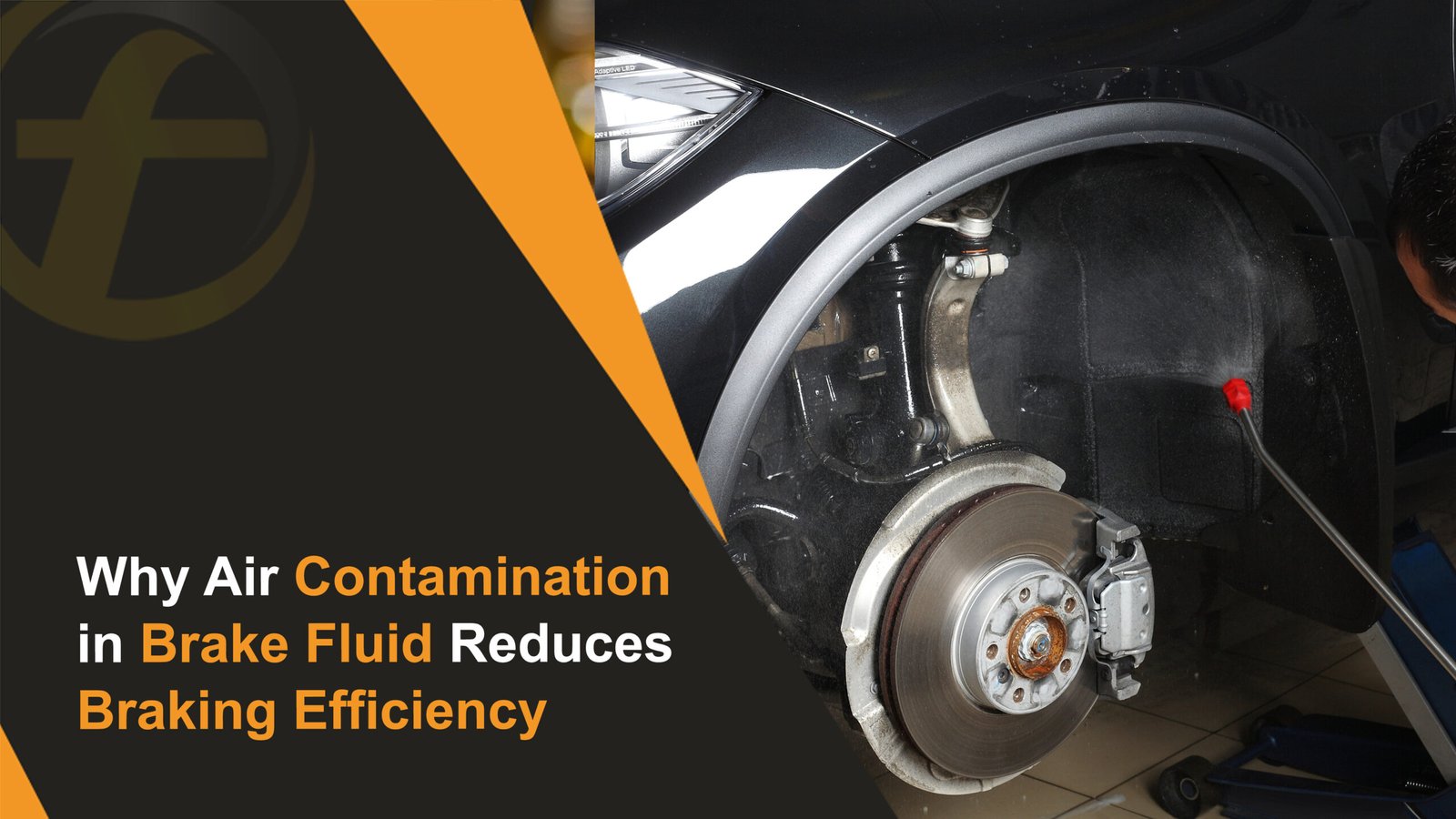
Each time you push down on your brake pedal, brake fluid is an important part of your vehicle. It uses your braking system to transfer pressure to help your vehicle slow down and stop safely. But what happens when air gets into the brake fluid?
The air contamination will interfere with the pressure distribution in the brake system. The air contamination can affect how pressure moves through the braking system. The presence of air in the brake fluid results in a spongy pedal and makes it difficult for your car to brake properly.
Understanding how air gets into the brake system and what you can do to prevent air from entering the brake system will save you from braking issues. We at Fubex Lubricants provide quality brake fluid for varied vehicle models and types of braking systems. Benefit from free delivery, competitive pricing, and hassle-free returns. Need help choosing the right oil? Call us at +971 50 544 9614 — our friendly team is ready to help!
Awais I., Sales Director, says, ‘‘Understanding why air contamination in brake fluid reduces braking efficiency can help drivers prevent brake problems, avoid costly repairs, and maintain a safer, more responsive braking system.”
In this article, we’ll explain why air contamination in brake fluid reduces braking efficiency, the common causes, warning signs, and practical ways to prevent the problem.
What is Air Contamination in Brake Fluid?
One of the most common brake fluid problems is contamination. Brake fluid can become contaminated with moisture, dirt, metal particles, or material that breaks down inside the brake system.
Contaminated brake fluid can cause:
- Reduced braking performance
- Corrosion inside the brake system
- Damage to brake components
- Unstable hydraulic pressure
- A shorter brake system lifespan
Solution
Checking and changing brake fluid can help to keep the brake fluid from becoming contaminated. It is important to use good quality brake fluid as well as having an intact braking system to prevent contamination of the brake fluid.
How Does Air Get into the Brake System?
Even in the absence of instructions on changing brake fluid by the automobile’s manufacturer, brake fluid should be changed. As with other fluids in an automobile, brake fluid is subject to contamination.
Brake fluid can be affected by:
- Air
- Moisture
- High temperatures
- Dirt and other foreign materials
- Worn brake hoses, seals, and other components
When the brake fluid reservoir is opened to check the fluid level, moisture from the air can enter the system. If the brakes are not bled properly, air can also remain inside the brake lines.
High temperatures from braking can cause the fluid to break down. When heat combines with moisture, air, or other contaminants, brake performance can suffer.
Air Contamination
There are various ways through which air could be introduced into the braking system. In most cases, the introduction of air into the braking system results from poor braking system bleeding practices.
Due to movement of brake components over time, the brake components may start wearing out and this creates room for air to get into the brake system. Air pockets will also be created when worn brake components are replaced.
Conventional brake bleeding technique involves two things; one applying the brake pedal while the other releases air from each wheel. Vacuum or pressure bleeding systems can make it easier to remove trapped air from the brake system.
Moisture Contamination
Brake fluid is designed to absorb moisture from the air. It helps to keep water from affecting the inner components of the braking system. Nevertheless, if there is a lot of moisture, it may affect the performance of the brake fluid.
When moisture enters the brake fluid, it will decrease its boiling temperature. Moisture will start to boil during hard braking and will cause brake fluid to become compressible, thus causing the brake pedal to feel soft.
Not all types of brake fluid have the same characteristics in terms of absorbing moisture. Brake fluids based on silicone do not have such capabilities, which means that water can stay in the braking system, causing corrosion.
Heat and Other Contaminants
The fluid may also be compromised by high temperatures, dirt, and substances that emanate from deteriorated brake parts. These may interfere with the effectiveness of the fluid, as well as how the brake system operates.
This is the main reason why brake fluid inspection and replacement should be done on a consistent basis.
Signs of Air in the Brake System
Identifying the symptoms of having air in your brakes is vital to ensure the safety of your car. Old or deteriorated brake fluid can cause issues with the effectiveness of your brakes.
Common warning signs include:
Dark Fluid Color
New brake fluid is normally either clear or pale yellow. When it ages, it can become dark brown or even black.
Soft or Spongy Brake Pedal
If you are pressing your brake pedal and it is feeling soft and spongy, then you may have a problem with your brake fluid.
Longer Stopping Distance
Bad or contaminated brake fluid will reduce braking performance. It will take your car longer to stop, particularly if you hit the brakes hard.
Burning Smell While Braking
If the brake fluid is old or overheated, there may be an unusual odor coming from the brakes.
Solution
Drivers should check their brake fluid regularly and replace old or damaged fluid as recommended in the vehicle’s maintenance schedule.
Brake Fluid Moisture Problems
Moisture is one of the main causes of brake fluid problems. Brake fluid naturally absorbs moisture from the air over time. Too much moisture can:
- Lower the fluid’s boiling point
- Increase the risk of corrosion
- Reduce braking performance
- Cause brake fade when the brakes get very hot
This problem is more common in humid and coastal areas, where moisture levels in the air are higher.
Solution
The use of quality brake fluid which is able to resist moisture and heat can assist in maintaining constant braking ability.
Brake Fluid Boiling Point Failure
The brake fluid may become overheated in case braking is done extensively. In case the brake fluid becomes overheated, then there will be a risk that it may boil.
This can happen during:
- Mountain driving
- Heavy traffic
- Commercial transportation
- Performance driving
Once the brake fluid begins boiling, vapor bubbles akin to air bubbles can begin to form inside the brake system, causing a drop in hydraulic pressure within the braking system.
Brake Pedal Feels Soft
A soft or less responsive brake pedal is a common brake problem. It can make the brakes feel weaker than usual.
Possible causes include:
- Moisture in the brake fluid
- Air trapped in the brake lines
- Old or damaged brake fluid
- A leak in the brake system
A soft brake pedal can make drivers feel less confident and may increase the vehicle’s stopping distance.
Solution
Changing old brake fluid, bleeds out any air that may be stuck inside the brake system, and a professional checks out the brake system to bring back the right braking force.
Brake Fluid Replacement Solution
Regular brake fluid replacement is an important part of keeping your brake system working safely and reliably.
Many vehicle manufacturers recommend replacing brake fluid every:
- 2 years
- Or based on the vehicle’s maintenance schedule
Regular replacement can help:
- Maintain good braking performance
- Reduce the risk of corrosion
- Keep hydraulic pressure stable
- Protect brake system components
Importance of Brake System Maintenance
Regular brake system maintenance is important for keeping your vehicle safe and reliable.
Professional brake maintenance should include:
- Checking the brake fluid
- Testing the fluid for moisture
- Inspecting the brake lines
- Checking brake system components
- Replacing old or damaged brake fluid
Routine maintenance can help to prevent costly repairs, ensure brakes work correctly and improve safety in driving.
How to Prevent Air Contamination in Brake Fluid
Lack of air in the braking system is very essential in making sure that the brakes operate effectively. This is done by maintaining the brake fluid in the braking system.
Best Practices to Prevent Air Contamination
- Reservoir Cover Closure: The reservoir cover of the master cylinder should always remain covered until you want to work on it. The area near the reservoir cover should be clean when you remove the reservoir cover to prevent contamination.
- Prevent Depletion of Brake Fluid During Brake Bleeding: During the bleeding of the brake, ensure that the brake fluid is not depleted to a certain level. Failure to do so, air may fill the brake line.
- Bleed Brakes Properly: You need to bleed the brake properly so that there will be no contamination by the entry of air into the brake line.
Regular brake system inspections and proper brake fluid maintenance can help prevent air contamination and maintain reliable braking performance.
Final Takeaways
Air contamination may seem like a small brake fluid problem, but it can have a big effect on braking performance. Air pollution can result in a reduced pressure in the brake system and increase stopping distance.
The regular checking of the brake fluid along with proper bleeding and replacement of the fluid will help in avoiding air and enable effective braking. It is also necessary that good quality brake fluid should be used for protecting the brake system.
FAQs
Q1: What happens if brake fluid gets contaminated?
Brake fluid that is dirty can lead to low braking performance and make the brake pedal feel soft. In addition, it may lead to corrosion of some components of the brake system. Failure to repair such issues may cause severe failure of the entire brake system.
Q2: How do you change contaminated brake fluid?
Contaminated brake fluid should be replaced by removing the old fluid, adding fresh fluid, and bleeding the brake system to remove trapped air. A qualified technician should perform this service to ensure the brakes work safely.
Q3: What are the symptoms of bad brake fluid?
You may experience some symptoms such as a soft or spongy brake pedal, longer stopping distances, dark coloured fluid and poor braking performance. The above symptoms are possible signs of brake fluid trouble.

Editor-at-Large
A passionate writer in the lubricant industry, Awais Iqbal has been covering oils, greases, and industrial fluids since the start of his career. At 25, he’s already written for blogs, catalogs, and brand guides across the UAE. Awais’s insights help companies connect with their audience, and his clear, helpful writing style is trusted by brands in the region.