

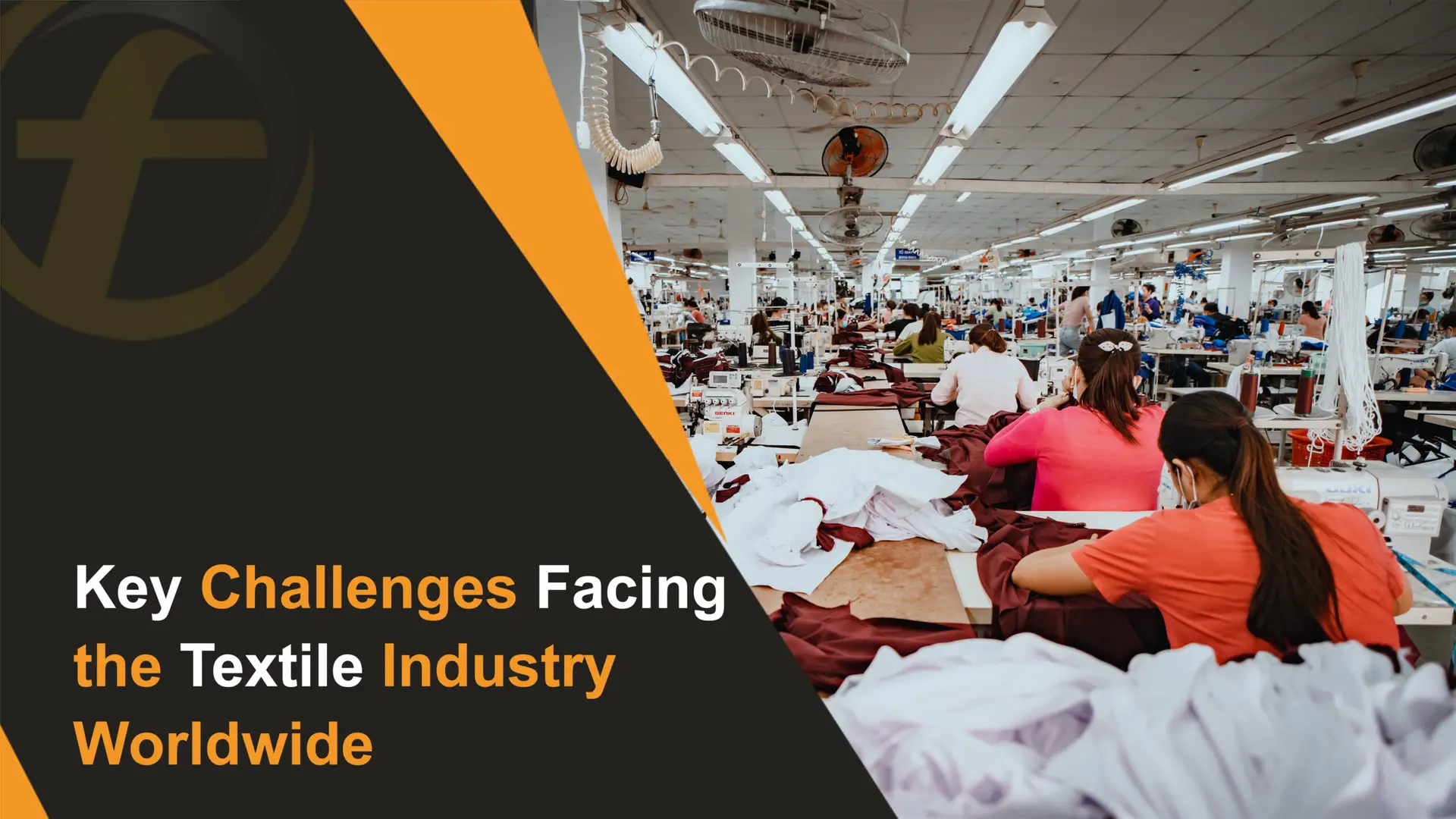
The textile industry is changing faster than ever, and not just because of fashion trends. Global factors like climate change, stricter regulations, political tensions, shrinking resources, and the shift away from global trade are shaking up the way textile businesses operate.
From factories in Bangladesh to Vietnam and beyond, manufacturers are facing new pressures that test their efficiency, sustainability, and ability to stay competitive. At Fubex Lubricants, we provide premium textile oils designed to keep your machines running smoothly and efficiently. Enjoy fast shipping, a price match guarantee, and no-questions-asked returns. Need help choosing the right oil? Call us at +971 50 544 9614 — our friendly team is ready to assist!
Awais I., Sales Director, says: “Fubex Textile Oil isn’t just about lubrication—it’s about keeping machines running at their best. Regular use reduces wear and tear, boosts efficiency, and ensures smooth, reliable production. With Fubex, textile manufacturers can improve machine performance, save costs, and deliver higher-quality products consistently.”
But what exactly are these challenges, and how can the industry adapt to keep production smooth and profitable? Let’s dive in.
Economic and Global Risks in the Textile Industry
In 2026, the global textile industry is facing tough times. High prices and uncertainty in the economy are making it harder for people to spend money, especially on clothes and fashion items. Because of this, many clothing brands are seeing slower sales and are ordering less from manufacturers to avoid extra stock and save cash.
Financing Problems for Manufacturers
Small and medium textile manufacturers are having trouble getting loans. High interest rates make borrowing expensive, and strict lending rules mean it’s harder to invest in new machines or sustainable practices. Currency changes in countries where textiles are made, like Vietnam, Bangladesh, and India, make things even harder.
How Geopolitics Affects Textiles
Global conflicts and trade tensions are making things more complicated. Wars and unrest in some regions disrupt shipping and increase freight costs. Trade issues between countries, like the U.S. and China, are forcing brands to find new places to make clothes. This creates more pressure on countries like Vietnam, Bangladesh, and India to produce quickly while following rules and safety standards.
Sustainability Matters More Than Ever
The fashion industry is one of the most polluting industries, responsible for 8–10% of global carbon emissions and creating 92 million tons of waste every year. Consumers now want brands to show real sustainable practices instead of just “greenwashing,” which is when a company pretends to be eco-friendly. Brands that fail to act responsibly risk losing customers.
Transparency and Circular Economy
Customers want proof that brands are reducing their carbon footprint by using eco-friendly materials and keeping track of their supply chains. Following circular economy principles, like recycling and reusing materials, is important. But smaller brands may struggle because it can be expensive and complicated to implement these practices.
Supply Chain Disruptions
In 2026, the textile industry is facing big challenges. Geopolitical tensions, inflation, and climate change are causing supply chain problems that make it harder for brands to get materials on time. A Deloitte report shows that 56% of fashion executives see supply chain disruptions as their top challenge. To survive, companies need flexible supply chains, better visibility, and multiple sourcing options.
As the world deals with these challenges, fashion and textile companies need smarter ways to manage their supply chains. Technology like AI can help plan inventory and predict demand, while blockchain can make the supply chain more transparent. These tools help companies spot problems early and act fast.
But it’s not just technology—how you run your machines matters too. Fubex Textile Oil is a game changer for textile manufacturers. It keeps machines running smoothly, reduces wear and tear, and improves efficiency. Better-performing machines mean higher production, less downtime, and a stronger global business. By using our lubricants, textile companies can not only protect their equipment but also strengthen their supply chains, stay competitive, and meet the growing demands of the market.
Adapting to Digital Transformation
The fashion industry is changing fast. New technologies are helping textile companies work more efficiently, be more sustainable, and give customers personalized experiences. This digital transformation brings big opportunities—but also challenges for the textile industry in 2026. The global apparel market is growing quickly, projected to reach $2.25 trillion by 2025, so companies are investing in digital tools to improve operations and connect with customers better.
Using Digital Tools in Textiles
Today, most fashion professionals use digital tools every day. Tools like AI, 3D design, and augmented reality are transforming how clothes are designed, produced, and sold. AI helps predict trends, manage supply chains, and plan inventory, while AR allows customers to try on clothes virtually. 3D design tools make prototyping faster and cheaper, cutting waste and costs.
How Fubex Textile Oil Helps
But technology isn’t the only key to success—how machines run matters too. Fubex Textile Oil is a game changer for textile manufacturers. It keeps machines running smoothly, reduces wear and tear, and boosts efficiency. Well-lubricated machines work faster, produce better quality, and last longer.
We provide our textile lubricants to textile manufacturers in China and textile manufacturers in India, helping them improve production, reduce downtime, and grow their business globally. With Fubex, textile brands can stay competitive, sustainable, and ready for the future.
Challenges for Textile Manufacturers and How Fubex Textile Oil Helps
Textile manufacturers face many challenges in 2026. From supply chain problems to rising costs and changing consumer demands, running a successful textile business isn’t easy. Here’s a simple breakdown:
- Global Supply Chain Disruptions: Natural disasters, political issues, or health crises can delay materials and finished products. These delays increase costs and slow down production. Fubex Textile Oil helps keep machines running smoothly, so manufacturers in Bangladesh and Vietnam can stay efficient even when supply chains are affected.
Rising Production Costs: Higher wages, energy bills, and currency changes make production more expensive. Investing in eco-friendly materials adds to the cost. Our textile oil reduces machine wear and energy use, helping Bangladesh garment manufacturers and Vietnam textile manufacturers lower costs and improve efficiency.
Fast Fashion and Overproduction: Trends change fast, and overproducing clothes can create waste and extra inventory. Well-maintained machines using Fubex Textile Oil work reliably, helping manufacturers produce the right amount and avoid unnecessary losses. - Evolving Consumer Expectations: Customers want transparency, sustainability, and ethical production. Smooth-running machines allow manufacturers to focus on quality and eco-friendly production while staying competitive in the global market.
- Technology Integration: Automation, AI, and data tools need investment and training. Machines running on Fubex Textile Oil: Operate better with tech upgrades, ensuring manufacturers can take full advantage of digital tools.
- Regulatory Compliance and Standards: Keeping up with safety, labor, and environmental regulations is essential. Reliable machines reduce downtime and help manufacturers meet strict standards consistently.
- Supply Chain Visibility and Traceability: Customers want to know where materials come from and how products are made. Efficient, well-lubricated machines allow Bangladesh garment manufacturers and Vietnam textile manufacturers to maintain smooth production and supply chain transparency.
- Sustainability and Environmental Impact: Eco-friendly production is important, but it can be expensive. Using Fubex Textile Oil reduces energy use and extends machine life, supporting sustainable practices.
- E-commerce and Changing Retail Dynamics: Online shopping demands faster delivery and shorter lead times. Well-maintained machines help manufacturers keep up with quick turnaround times.
- Intellectual Property and Counterfeiting: Protecting designs and brands is a challenge. Efficient production reduces mistakes and waste, supporting the integrity of authentic products.
- Economic Slowdown and Inflation: Lower consumer spending affects fashion and luxury textiles. Smooth-running machines with Fubex Textile Oil help manufacturers stay productive, reduce costs, and maintain a competitive edge globally.
What Can We Do?
Textile manufacturers face many challenges that can slow down production and affect the quality of their products. Luckily, there are ways to solve these problems—and Fubex textile oil can play a big role.
Using Sustainable Materials
Sustainable materials are made in ways that are better for the environment. Examples include organic cotton and recycled polyester. When machines run smoothly with Fubex Textile Oil, manufacturers can process these materials more efficiently and produce high-quality fabrics without wasting energy or resources.
Improving Efficiency
Using better technologies and smarter processes helps save energy and reduce waste. Fubex Textile Oil keeps machines in top condition, making them faster, more reliable, and easier to maintain. This means textile manufacturers can produce more with less effort, lowering costs and boosting productivity globally.
Upgrading Infrastructure
Modernizing factories with new water treatment systems, energy-efficient equipment, and better buildings can reduce operating costs. Well-lubricated machines with Fubex Textile Oil last longer and run smoother, supporting these upgrades and helping manufacturers maintain consistent production while saving money.
Our textile oil isn’t just a lubricant—it’s a solution for the global textile industry. By keeping machines running efficiently, reducing energy use, and preventing breakdowns, Fubex Textile Oil helps textile manufacturers around the world, from Bangladesh garment manufacturers to Vietnam textile manufacturers, improve their machines, increase production, and grow their businesses.
Final Takeaways
In 2026, textile manufacturers face a world of changing consumer habits, shifting supply chains, and growing sustainability demands. To stay ahead, they need smart solutions that keep operations smooth and efficient.
Fubex Textile Oil is a game changer. Our premium lubricants keep machines running smoothly, reduce downtime, and boost productivity. Textile manufacturers—from Bangladesh garment manufacturers to Vietnam textile manufacturers—can protect their equipment, improve production, and grow their business globally.
Fubex Textile Oil isn’t just a lubricant—it’s a partner for stronger, more efficient, and sustainable textile operations worldwide.
FAQs
Q1: What sustainability rules do textile companies follow in the UAE?
In the UAE, textile companies are encouraged to reduce waste, follow environmental rules, and adopt circular economy practices. This means using sustainable manufacturing methods and taking part in textile recycling programs.
Q2: What support is available for textile innovation and R&D in the UAE?
The UAE offers textile companies support like government funding, tax benefits, research partnerships, and access to innovation labs and incubation centers to help with R&D and new product development.

Editor-at-Large
A passionate writer in the lubricant industry, Awais Iqbal has been covering oils, greases, and industrial fluids since the start of his career. At 25, he’s already written for blogs, catalogs, and brand guides across the UAE. Awais’s insights help companies connect with their audience, and his clear, helpful writing style is trusted by brands in the region.