

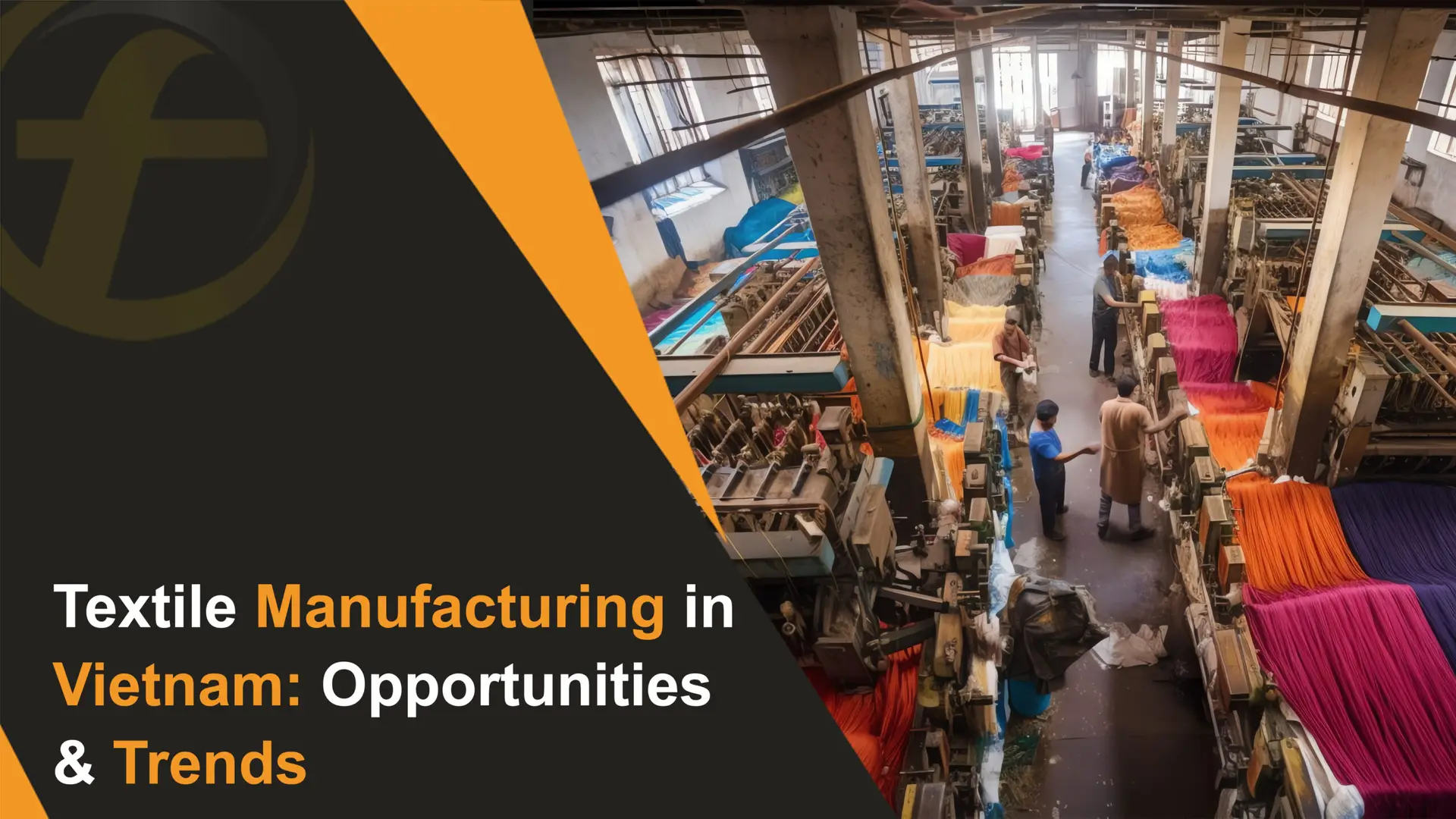
Have you ever wondered why so many global clothing brands choose Vietnam to make their products? Over the past few years, Vietnam has become one of the fastest-growing textile manufacturing hubs in the world. From cotton and silk to modern blended fabrics, the country is producing high-quality textiles that are shipped to major markets like the US, Europe, and Japan.
But what is really driving this growth? Is it the skilled workforce? Competitive production costs? Strong trade agreements? Or the shift toward eco-friendly and sustainable fabrics?
The truth is, it’s a mix of all these factors — and more. Vietnam’s textile industry is changing quickly. Factories are adopting new technologies, improving quality standards, and focusing on sustainable production. At the same time, businesses are exploring new global markets and expanding their reach. At Fubex Lubricants, we provide premium textile oils designed to keep your machines running smoothly and efficiently. Enjoy fast shipping, a price match guarantee, and no-questions-asked returns. Need help choosing the right oil? Call us at +971 50 544 9614 — our friendly team is ready to assist!
Awais I., Sales Director, says: “Fubex Textile Oil is more than just lubrication—it helps Vietnam textile manufacturers keep their machines running smoothly, reduce downtime, and boost efficiency. With Fubex, factories can improve machine life, cut costs, and deliver high-quality products to global markets consistently.”
In this article, we will explore the biggest opportunities and latest trends shaping textile manufacturing in Vietnam — and why this industry is becoming a key player in the global textile market.
Current Situation of Vietnam’s Textile and Garment Industry
In recent years, Vietnam’s textile and garment industry has grown very fast. It plays an important role in the country’s economy. Among all export industries, textile and garments are one of the top sectors. This industry brings a large amount of money to the country through exports. It makes up about 12% to 16% of Vietnam’s total export value. Because of this, it strongly supports the country’s economic growth.
However, the industry also faced many challenges. The global economic slowdown and the effects of the COVID-19 pandemic caused serious problems. In 2023, production and exports did not meet expectations. Many companies had large amounts of unsold goods. The total export value of Vietnam’s textile industry in 2023 was about 40.324 billion USD. This was more than 9% lower compared to 2022.
Even with these problems, textile and garment companies worked very hard to survive. They tried to find new orders and keep their factories running. According to Mr. Tran Thanh Hai from the Ministry of Industry and Trade, Vietnam’s textile industry has continued to grow in international markets. The country now exports textile products to 104 markets around the world.
Vietnam has also started exporting to new markets such as Africa, Russia, and Muslim countries. This helps reduce dependence on a few big markets. In 2023, export numbers began to show signs of recovery. The industry is slowly overcoming the difficult period caused by the COVID-19 pandemic and moving toward a better future.
Major Trends Shaping Vietnam’s Textile Market and How Fubex Textile Oil Makes a Difference
Vietnam’s textile market is growing fast. Many companies are now using eco-friendly materials like organic cotton, recycled polyester, and Tencel. Big global brands that manufacture in Vietnam have promised to reduce pollution. They want to reach net-zero carbon emissions by 2050. This shows that the textile industry is moving toward a greener future.
Events like VIATT 2025 help support this change. New platforms will connect eco-friendly suppliers with buyers. There will also be tools to check and verify green products. Many seminars and talks will focus on sustainability. This means the textile industry is not only growing but also becoming more responsible.
At the same time, technology is changing the way textiles are made. New tools like 3D printing, AI-based design, and digital printing are helping factories work faster and smarter. These technologies improve product quality and allow companies to meet customer needs more easily.
But even with eco-friendly materials and smart technology, one important thing is often overlooked — machine performance. Textile machines run for long hours every day. If they are not properly lubricated, they can slow down, overheat, or even break. This causes delays, higher costs, and loss of orders.
This is where Fubex Lubricants becomes a true game changer. Our Fubex Textile Oil is specially designed to protect high-speed textile machines. It reduces friction between moving parts. It prevents overheating. It keeps machines running smoothly for longer hours without breakdowns. When machines work better, production becomes faster and more efficient.
Our textile oil also helps reduce wear and tear. This means fewer repairs and lower maintenance costs. Clean and high-performance lubrication improves fabric quality because machines run smoothly without stains or damage. With better machine efficiency, textile factories can increase output and meet global demand on time.
In today’s competitive global market, every second matters. Factories that use high-quality lubrication have an advantage. With Fubex Lubricants, Vietnam textile manufacturers can extend machine life, reduce downtime, save energy, and grow globally. Our high-performance textile oil keeps machines running smoothly and boosts production efficiency.
Our advanced textile oil solutions support both sustainability and performance, helping textile industries move confidently toward the future.
Essential Safety Equipment in the Textile Industry and the Role of Fubex Textile Oil
Safety is very important in the textile industry. Textile factories have many risks. Workers are around fast-moving machines, chemicals, loud noise, and flying dust. Because of this, companies must protect their workers. One of the best ways to do this is by using Personal Protective Equipment (PPE).
Common PPE in Textile Manufacturing
Workers use different types of safety equipment every day:
- Gloves protect hands from cuts, sharp tools, and chemicals.
- Safety shoes protect feet from heavy objects and machine parts.
- Masks help workers breathe safely by blocking dust and chemicals.
- Safety goggles protect eyes from splashes and small particles.
- Ear protection reduces damage from loud machine noise.
- Protective clothing like flame-resistant suits and high-visibility uniforms keep workers safe and easy to see.
Since there are many types of PPE, it can be hard for factories to buy everything from one supplier. Some companies in Malaysia provide complete PPE solutions for textile factories. This helps factories maintain high safety standards.
But safety is not only about PPE. Machine safety is just as important. Textile machines run very fast and for many hours. If machines are not properly lubricated, they can overheat, break down, or even cause accidents. Poor lubrication can lead to sudden machine failure, which can be dangerous for workers and costly for businesses. This is where Fubex Lubricants make a big difference.
Our Fubex Textile Oil is a true game changer for the textile industry. It reduces friction between machine parts. It prevents overheating. It keeps machines running smoothly and safely for long hours. When machines work smoothly, there are fewer breakdowns and fewer safety risks.
Our high-quality textile oil also helps reduce wear and tear. This means fewer repairs and less downtime. Factories can continue production without delays. Smooth machines also produce better quality fabric, which improves customer satisfaction.
With Fubex Lubricants, textile companies can improve both safety and performance. Better lubrication means safer machines, lower maintenance costs, and higher production speed. This helps textile businesses grow stronger and compete in the global market.
In today’s world, success depends on safety, efficiency, and quality. By using proper PPE and advanced lubrication solutions from Fubex, textile industries can protect their workers, improve machine life, and expand their business globally.
Opportunities for Vietnam’s Textile and Garment Industry – Powered by Fubex Textile Oil
Vietnam’s textile and garment industry has huge opportunities. Growing global demand and free trade agreements help Vietnam export to major markets like the US, Europe, Japan, and China. The US is especially important, with Vietnam now the second-largest exporter after China.
Competitive production costs and government support, like credit packages and technology incentives, give Vietnamese manufacturers an edge. However, challenges remain, including strong competition from countries like Indonesia, Bangladesh, and China, strict international quality standards, and environmental pressures.
This is where Fubex Lubricants becomes a game changer. Textile machines run long hours, and breakdowns can delay production and increase costs. Fubex Textile Oil reduces friction, prevents overheating, and protects machine parts from wear and tear. Smoother machines mean faster production, better fabric quality, lower maintenance, and reliable delivery to global markets.
By improving efficiency, reducing costs, and supporting sustainable practices, Fubex Textile Oil helps Vietnam’s textile industry boost productivity, compete globally, and turn opportunities into long-term success.
Final Takeaways
Vietnam’s textile manufacturing industry is growing fast and creating strong global opportunities. With skilled workers, modern technology, competitive costs, and a focus on sustainability, the country is building a powerful place in the international market.
To stay ahead, manufacturers must keep improving efficiency, quality, and machine performance. By combining innovation with reliable production solutions, Vietnam’s textile industry is ready to turn today’s trends into long-term global success.
FAQs
Q1: What types of textiles is Vietnam famous for?
Vietnam is famous for making high-quality textiles like cotton, silk, polyester, and mixed fabrics. The country is also becoming well known for eco-friendly fabrics such as organic cotton and recycled materials.
Q2: Why is Vietnam’s textile industry strong in the global market?
Vietnam’s textile industry is strong because it has skilled workers and modern factories. Production costs are lower than in many other countries. Vietnam is also part of important trade agreements like CPTPP and EVFTA, which help companies sell products to other countries more easily.
Q3: Which countries buy textiles from Vietnam?
The main buyers of Vietnamese textiles are the United States, European Union countries, Japan, and South Korea. These countries trust Vietnam for good quality and reliable textile products.
Q4: How is technology improving Vietnam’s textile industry?
Textile factories in Vietnam are using modern machines, automation, and digital tools. These technologies help increase production speed, improve fabric quality, and meet international standards.

Editor-at-Large
A passionate writer in the lubricant industry, Awais Iqbal has been covering oils, greases, and industrial fluids since the start of his career. At 25, he’s already written for blogs, catalogs, and brand guides across the UAE. Awais’s insights help companies connect with their audience, and his clear, helpful writing style is trusted by brands in the region.