

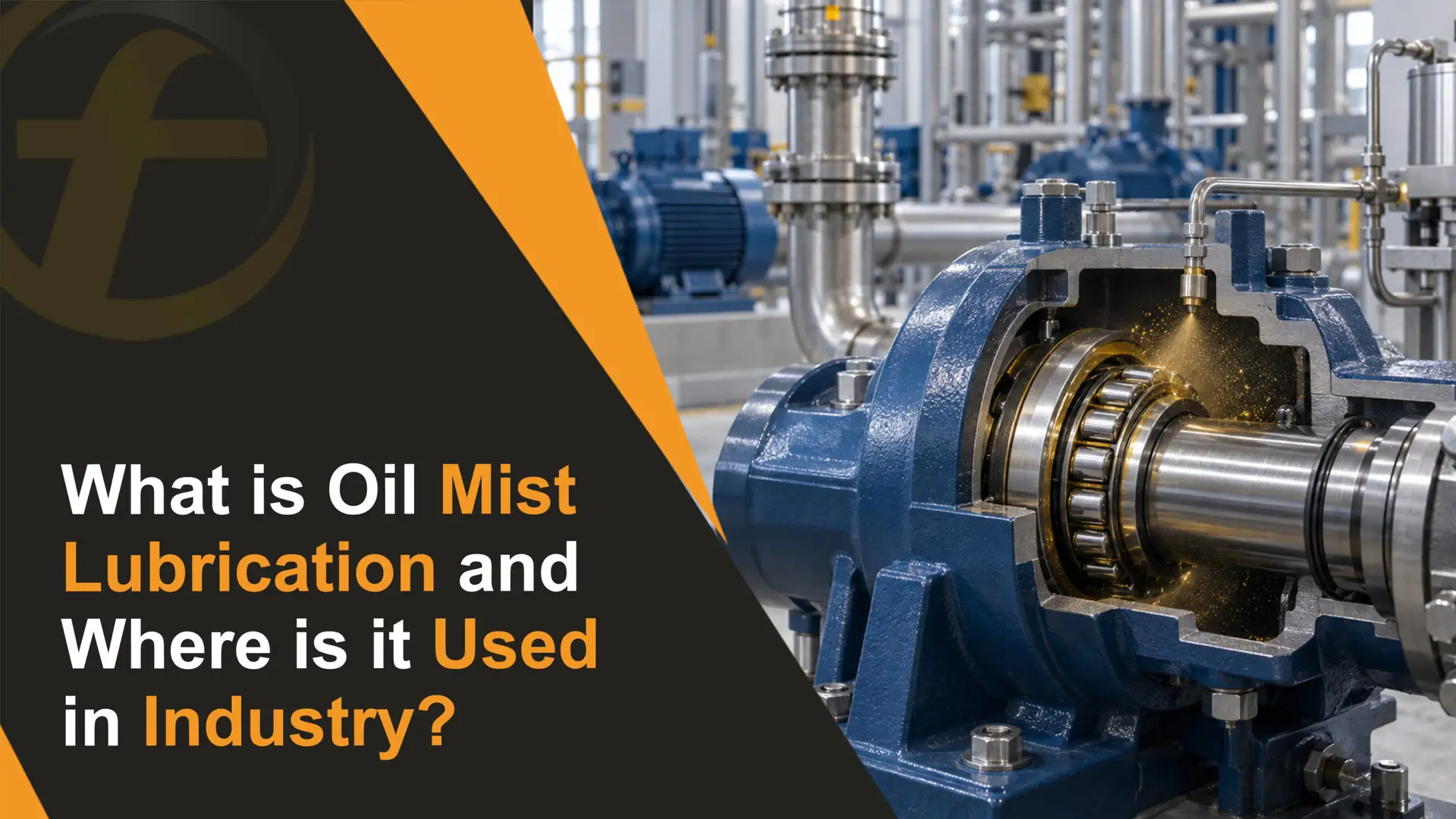
The heavy lifting in various industries is done by machines; hence their proper functioning is very essential. In manufacturing industries, cement industries, power industries, steel industries and chemical industries there are rotating machinery which needs to be used daily. When these rotating machines suffer from lubrication issues, then it will cost the industries a lot.
That’s where oil mist lubrication comes in. It provides a steady supply of lubricant to bearings and other rotating parts, helping reduce wear and keep equipment running reliably. Fubex Lubricants is here to provide you with the best lubricants for your engine. Fast delivery guaranteed. Price match and hassle free returns. Not sure which oil to choose? Contact us today at +971 50 544 9614.
Awais I., Sales Director, says: “The use of appropriate oil mist lubrication systems ensures consistent lubrication, reduces friction and wear, and maintains rotating machinery operation. Appropriate lubrication may also minimize maintenance requirements and extend equipment life.”
But how does it work, and what makes it useful for industrial equipment? Read on to learn the major benefits, applications and working of oil mist lubrication systems.
Key Takeaways
- Oil mist lubrication delivers a fine mixture of air and oil to bearings and moving parts.
- It is commonly used in pumps, motors, gearboxes, and journal bearings.
- It helps reduce friction, wear, overheating, and corrosion.
- It can reduce the consumption of fuel, maintenance, and downtime of the machinery.
- It facilitates smooth and durable performance of the machines.
What is Oil Mist Lubrication?
Oil mist lubrication is a technique in which oil can be supplied to bearings and other components of machinery in the form of a mist. It appears somewhat similar to cigarette smoke but is actually formed through the mixture of oil and air in very minute quantities. The mist provides the correct amount of oil in the correct place.
A central generator mixes air and oil to create very tiny oil particles. Since these particles are so small, the mist can travel through pipes over long distances, usually up to 600 feet in any direction.
As the oil mist approaches the bearing, it goes through a component known as a reclassifier or an orifice. The role of this component is to regulate the quantity of oil mist entering the bearing and also to create turbulence, causing the small droplets of oil to merge with each other. In turn, the oil forms a film on the surface of the bearings.
Where is Oil Mist Used?
Oil mist lubrication is mainly used for rotating equipment where smooth and reliable operation is important. Common applications include:
- Pumps
- Electric motors
- Cooling tower gearboxes
- Journal bearings
- Gearboxes
In some machines, oil mist may totally eliminate the need for other lubrication methods, such as oil sumps, and slinger rings. The system is known as the Pure Mist system, whereby the oil mist provides the sole lubrication to the bearing.
However, not every machine can run without an oil sump. Journal bearings and some gearboxes with metal-to-metal contact may still need an oil sump. In such instances, the use of oil mist ensures that there is additional lubrication in the process of protecting the machinery from contaminants. The system referred to as Purge Mist uses oil mist for these functions.
Oil mist as a primary lubrication can make electric motors greaseless and eliminate grease fittings.
How Does Oil Mist Lubrication Work?
So, how does oil mist lubrication actually work? The process starts by creating a fine mist of oil and air and then sending it to the parts that need lubrication.
In the case of oil refining, the process pump plays an important role by moving the oil from one point to another during processing. This requires proper lubrication in order to make the system run smoothly. An oil misting system is specifically designed according to the requirements of each individual oil refinery. The best location of the Oil Mist Generator (OMG) is selected and the oil mist is generated.
The oil mist cabinet generator usually includes:
- Vortex or Venturi Mix Header: Mixes oil and air to create the oil mist.
- Control Panel: Connects with the customer’s DCS and sends alerts in case of problem.
- Heaters: Keep the oil and air at the required temperature.
- Reservoir: Stores the oil needed by the system. Backup units can also be added when required.
- EX-certified Parts: Designed for use in areas where explosion protection is required.
The oil mist system also uses several other components:
- Mist Manifold: Splits the oil mist evenly from the main line. It is usually installed above the pumps and can supply up to eight lubrication points.
- Reclassifiers: Help combine the tiny oil particles and make them larger before they reach the lubrication point.
- Auxiliary Manual Pump: In a closed-loop system, the used lubricant needs to return to the main station. This pump helps move the lubricant back to the station.
Benefits of an Oil Mist Lubrication System
Oil-mist lubrication technology can greatly influence machine performance and maintenance requirements. Some of the benefits include:
Extends Bearing Life
Many of the machines have bearings that require lubrication for efficient operation. It is the oil mist that supplies the lubricant in a continuous manner, thereby forming a film. This film helps to protect the bearings from any metal-to-metal contact.
Key benefits include:
- Less wear on bearings
- Reduced friction
- Longer bearing life
- More reliable machine operation
Reduces Maintenance Costs
Lubrication through manual means is time consuming since the employees have to lubricate various components of the machinery at specified time periods. This may be simplified by using an oil mist system.
It can help:
- Reduce manual lubrication work and labor costs
- Lower lubricant waste
- Reduce the need for frequent part replacements
Minimizes Equipment Downtime
Unexpected failures of machines may result in stoppage of production and delays in production. Lubrication helps in preventing certain common causes of failure of machinery.
An oil mist system can help prevent:
- Unexpected bearing failures
- Excessive machine heat
- Lack of lubricant
- Excessive wear on important machine parts
Improves Energy Efficiency
Proper lubrication helps reduce friction between moving parts. Less friction can mean less heat and lower energy use during operation.
With an oil mist lubrication system, machines can:
- Use less power
- Run more efficiently
- Produce less heat
Provides Continuous Lubrication
Unlike manual greasing or oil baths, which are usually done at fixed intervals, oil mist can provide a steady supply of lubricant while the equipment is running.
This can help provide:
- Consistent lubrication during operation
- More stable machine performance
- Less need for frequent lubrication checks
- Smoother equipment operation
Helps Prevent Corrosion
The oil film created by the mist can help protect machine surfaces from moisture and contaminants. This added protection can help reduce corrosion and keep equipment in better condition.
Benefits include:
- Less corrosion
- Better equipment protection
- Longer equipment life
- Lower replacement costs
Supports Centralized Lubrication
One oil mist generator can supply lubricant to several lubrication points at the same time. This makes it easier to manage and monitor the lubrication system.
It can help:
- Simplify lubrication monitoring
- Reduce manual maintenance work
- Lower the risk of human error
- Deliver a more controlled amount of lubricant
Supports Cleaner Operation
In case of manual lubrication excess grease and oil results in wastage of lubricant and dirty surroundings of the machines. The oil mist system applies the lubricant in a controlled amount leading to cleanliness of machinery.
This can result in:
- Less lubricant waste
- Cleaner work areas
- Better housekeeping
- More efficient use of lubricants
Poor lubrication is one of the common causes of bearing problems. Using the right amount of lubricant at the right time will reduce wear, improve reliability and extend the life of the bearing.
Final Takeaways
Good lubrication is very essential for machine performance and service life. The oil mist lubrication system is one of the most practical methods of providing controlled delivery of oil to bearings and rotating parts. It has the potential of reducing friction and wear, maintenance requirements, and increasing machine reliability.
If you require a lubrication solution for your machinery, selecting an appropriate oil mist system could help in improving efficiency and reliability of your machine.
FAQs
Q1. How does oil mist lubrication extend equipment life?
The oil mist lubrication allows a continuous supply of lubricant to increase the life of equipment. It helps to prevent the surfaces from corrosion and reduce the friction and wear between moving parts. Correct and regular lubrication results in bearings and other parts of the machine working with greater reliability and smoothness.
Q2. Can bearings be lubricated with oil mist?
Yes, oil mist can be used for lubricating bearings. It will be very helpful when used on bearings of rotating machines that require the supply of oil continuously during their functioning. It will help reduce friction and wear, hence increase the lifespan of the bearing.
Q3. Can oil mist systems reduce maintenance costs?
Yes, oil mist systems can help reduce maintenance costs. They reduce the need for frequent manual lubrication and provide a more consistent supply of lubricant. Proper lubrication can also help prevent some equipment problems, reducing the need for repairs and replacement parts.
Q4. How does oil mist lubrication benefit the environment?
The use of oil mist lubrication will be able to promote cleaner operation of equipment through proper lubricant consumption. This will be able to cut down on lubricant wastage, prevent leakage of oil, and ensure cleanliness in the workplace. Proper consumption of the lubricant will also minimize lubricant disposal.

Editor-at-Large
A passionate writer in the lubricant industry, Awais Iqbal has been covering oils, greases, and industrial fluids since the start of his career. At 25, he’s already written for blogs, catalogs, and brand guides across the UAE. Awais’s insights help companies connect with their audience, and his clear, helpful writing style is trusted by brands in the region.