

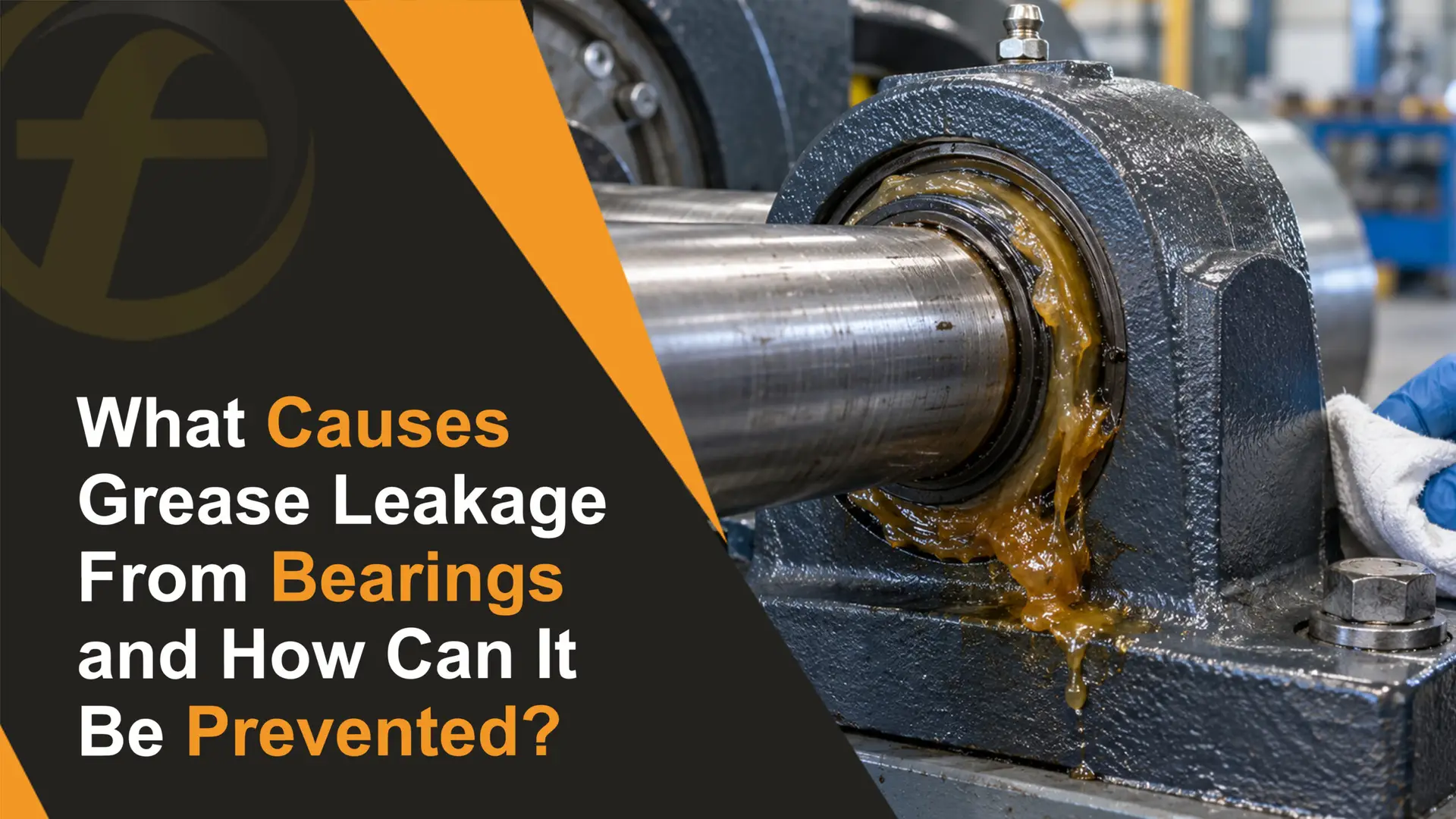
Some grease in a bearing will not seem like much of a problem at first. However, continual grease leakage from a bearing could be an indicator of an existing issue. There are many types of equipment in agriculture, food processing plants, conveyor systems, among others that use bearings, and therefore, grease leakage in bearings affects all these types of equipment.
But why does grease leak from bearings in the first place? The cause could be a damaged seal, too much grease, high temperature, or even incorrect installation. At Fubex Lubricants we have high quality greases and oils for all kinds of machinery. We offer fast shipping, price matching and easy returns. Having trouble choosing the right oil? Call us at +971 50 544 9614 — our friendly team is ready to assist!
Awais I., Sales Director, says, “Choosing the right grease and using the correct amount can help prevent bearing grease leakage, reduce wear, and keep machinery running smoothly for longer.”
In this article, we will learn about the primary reasons for leakage of bearing grease, the way that the bearing seal failure may aggravate the issue, and ways to avoid it.
Key Takeaways
- Damaged seals, over-lubrication, and improper installation are common causes of grease leakage.
- High temperatures, contamination, and harsh conditions can also increase leakage.
- Proper installation and the right amount of grease can help prevent leaks.
- Regular inspections can catch seal damage, grease loss, vibration, and overheating early.
- The right bearing and lubricant can help extend bearing life and improve reliability.
What is Bearing Grease Leakage?
One of the reasons why grease leaks out of the bearings is the presence of worn-out or damaged seals. In case the seal does not hold on to the grease, the grease will leak during rotation.
The problem is likely to lead to insufficient lubrication of the bearing since the leakage is not checked. This results in lubrication failure.
Main Causes of Bearing Grease Leakage
So, what causes grease to leak from a bearing? There can be several reasons, from damaged seals to using too much grease. Let’s look at the most common causes.
Bearing Seal Failure
Damaged or worn seals are one of the common reasons for bearing grease leakage. As long as the seal is not capable of stopping the grease from leaking, the grease will keep on leaking during the movement of the bearing.
Some common seal problems include:
- Sealing materials that become hard or worn over time
- Poor seal design
- Seals that are not suitable for high-speed applications
Over-Lubrication
Using too much grease can also cause leakage. Excess grease causes increased pressure in the bearing and forces the grease out of the bearing through its seals.
This is easy to ignore, particularly when automatic lubrication systems add grease automatically. Adequate amounts of grease have to be used to avoid this problem.
High Operating Temperature
A rise in temperature will make the grease less viscous, making it easy for the lubricant to leak. It might also affect the seals and cause them to deform.
Consequently, high temperatures can cause the failure of the seals, allowing the grease to escape.
Improper Installation
Incorrect bearing installation can create another path for grease to escape. Misalignment, too much installation force, or damage during installation can affect the seals and other bearing parts.
That means even a good-quality bearing can develop grease leakage problems if it is not installed correctly.
Contamination and Corrosion
Dust, water, and chemicals can damage both seals and bearing surfaces. Over time, this damage can make it easier for grease to escape.
Keeping contaminants away from the bearing can help protect the seals and reduce the risk of bearing seal failure and lubricant leakage.
Impact of Bearing Grease Leakage
The leak of bearing grease may appear to be a minor problem to start with, but could result in more serious issues in the long run if it is neglected. Excess grease leakage will make sure that the bearing doesn’t get sufficient lubrication.
Some common problems caused by grease leakage include:
- Poor Lubrication: The bearing may not have enough grease to reduce friction and protect its parts.
- More Friction And Wear: Without proper lubrication, bearing parts can rub against each other and wear out faster.
- Overheating and Bearing Failure: Extra friction can create heat and may eventually cause the bearing to fail.
- Equipment Contamination: Leaking grease can contaminate nearby parts and products, which is especially important in food and beverage applications.
- Higher Maintenance Costs: Frequent repairs and unexpected equipment downtime can increase maintenance costs.
But in the case of food, beverages and drugs, grease leaks can be even bigger problems. It may violate the sanitation rules and make it difficult for the equipment to meet safety standards.
How to Prevent Bearing Grease Leakage
The good news is that bearing grease leakage can often be reduced with the right care. A few simple steps can help keep the grease where it belongs and protect the bearing from early wear.
Choose Bearings With Good Seals
A good sealing system helps keep grease inside the bearing and keeps dust and water out. When choosing a bearing, look for features such as:
- Multi-lip seals for better protection
- Contact seals that help prevent grease from escaping
- Corrosion-resistant materials for harsh environments
Use the Right Amount of Grease
Grease overload causes an increase in pressure within the bearing which forces grease past the seals. In order to minimize leakage:
- Avoid adding more grease than needed
- Use the correct type and viscosity of lubricant
- Follow the recommended lubrication intervals
Install the Bearing Correctly
Grease leaking from the bearing assembly results from incorrect fitting of the seals. Correct fitting and alignment of the bearing is necessary.
Correct tools for mounting and the correct amount of pressure to be exerted when installing must be observed.
Keep Operating Conditions Under Control
The harsh working conditions can lead to increased chances of lubrication problems and grease leakage. Try to:
- Keep operating temperatures within the recommended range
- Avoid excessive loads and vibration
- Keep the working area clean and free from contaminants
Inspect and Maintain Bearings Regularly
With inspections, you can find any problems that could become something major. Look for signs of leakage, loss of lubrication, contamination and abnormal bearing sounds or temperatures
It is best to catch any potential issues before they create major equipment failures.
Practices And Procedures to Minimize Hardening And Improve Life of Grease
Grease can deteriorate and break down if it is used improperly or is not properly maintained. It is worth noting that a few procedures may go a long way in extending grease life.
Check the DN and NDM Factors
The DN and NDM factors help show whether a grease is suitable for high-speed bearing applications. For high-speed bearings, the grease should have the right viscosity and resist excessive shearing. Proper selection of the grease may help to avoid oil separation and failure of the grease.
Consider the Operating Conditions
Before choosing the grease to use, think about how the machine will be used. The operating speed, load, and temperature will have an effect on grease behavior.
Inspection of the equipment can help you ensure that the right type of grease is in place for your working conditions.
Follow the Right Relubrication Intervals
Adding grease at the right time is important. If there is too little grease the bearing may be left unprotected, but if there is too much grease it may cause other problems.
Set relubrication intervals according to the speed, load and operating temperature of the equipment. This can help slow down grease degradation and oxidation.
Handle Grease Carefully
How you treat the grease will also play a role in its life. In extracting the grease from its packaging, it is important not to form any cavities within the grease. This will create an area of lower pressure in which the grease oil will separate itself from the grease.
Use Ultrasonic Lubrication
Ultrasonic lubrication tools can help monitor bearing lubrication while the equipment is running. They can help determine when more grease is needed instead of adding grease unnecessarily.
This can help prevent over-lubrication, reduce heat buildup, and keep the lubrication process more efficient.
Control Contamination
Dirt, water, and other contaminants can shorten grease life. Using proper sealing and grease purging methods can help keep these contaminants away from the bearing.
Keeping the equipment and surrounding area clean can also help protect the grease and extend its useful life.
Early Bearing Failure Symptoms to Watch For
Bearing failures generally come with no forewarnings at all. This is because the machine tends to exhibit minor symptoms before the bearings fail altogether. By keeping watch on such symptoms, it becomes easier to detect any problems before major breakages occur.
Here are some common bearing failure symptoms to watch for:
- Increasing Vibration: The bearing may start vibrating more than usual as wear or damage develops.
- Unusual Noise: Grinding, humming, rumbling, or other new sounds can be a sign that something is wrong.
- Higher Temperature: A sudden increase in bearing housing temperature may point to excess friction or a lubrication problem.
- Leaking or Changed Grease: Grease that is leaking, dark, or looks different from normal may indicate a bearing or lubrication issue.
- Lower Equipment Performance: If the equipment starts running less efficiently or its performance drops, the bearing could be part of the problem.
If you notice any of these signs, don’t ignore them. A closer inspection or vibration analysis can help identify the problem before it turns into a major equipment failure.
Final Takeaways
The leakage of the grease from the bearing assembly will lead to friction, wear, overheating, and even shutdown of the machinery. Nevertheless, such an issue can be easily avoided by ensuring proper lubrication, inspecting seals, installing bearings correctly, and managing the conditions of operation.
The selection of proper bearings and lubricants as well as periodic inspections may be helpful for increasing their longevity.
FAQs
Q1: What are the three main causes of bearing failure?
The three causes include improper lubrication, contamination, and wrong mounting or installation. They can result in an increase in friction, wear and tear, and reduced bearing life span.
Q2: What is an early sign of bearing failure?
An unusual noise can be one of the first signs of bearing failure. Humming, rumbling, grinding, or squealing sounds may indicate that the bearing needs to be inspected.
Q3: How long does grease last in a bearing?
Life span of the grease for the bearings depends upon temperature, speed, load, contamination, and can range from hundreds of hours to years. Checks at regular intervals can be used to determine if it’s time to grease the bearing.

Editor-at-Large
A passionate writer in the lubricant industry, Awais Iqbal has been covering oils, greases, and industrial fluids since the start of his career. At 25, he’s already written for blogs, catalogs, and brand guides across the UAE. Awais’s insights help companies connect with their audience, and his clear, helpful writing style is trusted by brands in the region.