

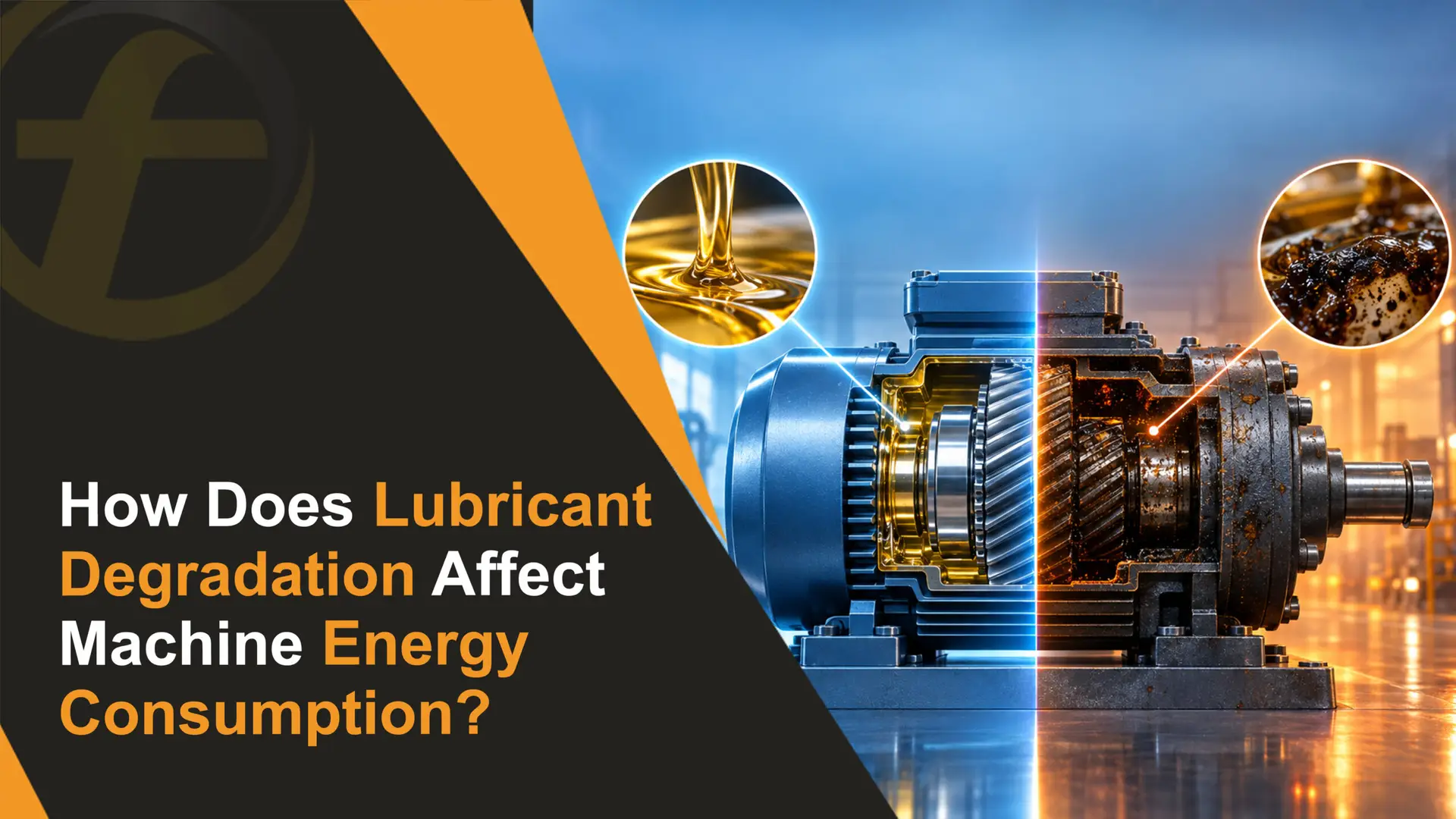
The machines are under a lot of strain all day long. Machines such as motors, pumps, compressors, turbines and bearings rely on operating smoothly to be productive. But what happens if the lubricant in these machines begins to break down?
How does lubricant degradation affect machine energy consumption? It can be more of an impact than you realize. As a lubricant ages or becomes contaminated, it will not protect the moving parts as it should. There is more friction, heat, and wear, leading to higher energy consumption by the machinery.
It is good to note that these issues can be prevented by using lubricants. The correct lubricant, applied in the correct amount and replaced at the correct interval, aids the smooth operation of moving parts and protects equipment. Fubex Lubricants is here to provide you with the best lubricants for your engine. Fast delivery guaranteed. Price match and hassle free returns. Not sure which oil to choose? Contact us today at +971 50 544 9614.
Awais I., Sales Director, says, “Degradation of lubricants can lead to increased friction, heat and wear causing machinery to work harder and consume more energy. The correct lubricant and monitoring its condition and changing it when necessary can help to maintain energy efficiency, minimize maintenance requirements and extend equipment life.’’
In this guide, we’ll look at how lubricant degradation affects energy use and what you can do to keep your machines running efficiently.
How Lubrication Reduces Friction and Energy Loss
This occurs as a result of the movement of two surfaces in contact. The parts that move in any piece of industrial equipment include the bearings, gears, shafts, seals, and many others. More friction means that the machine needs more power to continue running. Some of this energy is converted into heat rather than being used by the machine.
Lubrication properly means that there should be some lubricant in the small space between the components in order to prevent rubbing between each other. It becomes very easy and smooth for the components to operate. Reduced friction leads to reduced wastage of energy and reduced amount of heat generated by the machinery. In such a way, it becomes possible for the machinery to operate in a more efficient manner.
Viscosity plays an important role as well. Thicker lubricants increase resistance especially in high speed machines. If too thin it may not build a strong enough film to protect parts under heavy load. The correct viscosity helps protect machine parts and still allows them to move efficiently.
Lubrication and Energy Efficiency: Industry Examples
Many industries are looking for simple ways to use less energy, lower operating costs, and reduce their impact on the environment. One area that can make a real difference is proper lubrication. The right lubricant helps moving parts work smoothly, reduces friction, and can prevent unnecessary energy loss.
So, where does lubrication make a difference? Let’s look at a few industries.
Manufacturing Industry
Manufacturing plants depend on machines to keep production running. These machines have many moving parts, such as gears, bearings, and shafts, that can create friction as they move.
The right lubricant forms a protective film between these parts and helps them move more smoothly. This can reduce friction, heat, and energy loss. In the automotive industry, for example, proper lubrication of engines, gears, and other components can help improve efficiency and reduce wear.
Wind Energy
Wind turbines are often exposed to high winds, changing temperatures and heavy loads and are working for long hours. They have gears and bearings and other moving parts that need to be lubricated properly to keep them running smoothly.
The right lubricant will help reduce the friction and wear and tear on these parts. This can help the turbine to run efficiently and extend the service life of key components. In addition to the short term benefits, good lubrication can also help to reduce maintenance and energy waste in the long term.
Paper Industry
Paper mills use heavy machinery for many of the steps involved in making finished paper from raw materials. These machines often run for long periods and can have a lot of friction and heat from their moving parts .
These parts have to be well lubricated to move freely and reduce unnecessary friction. This can cut down energy loss, reduce wear and improve machine performance. This way paper mills can run their machines more effectively.
Steel Industry
Steel making requires heavy machinery and uses lots of energy. In steel mills, machines also work under high temperature and heavy load conditions, so proper lubrication is particularly important.
The right lubricant will cut the friction between moving parts and protect them from undue wear. It can reduce the loss of energy and ensure the smooth running of equipment such as rolling mills. Better lubrication increases production reliability and lowers unplanned downtime
How Lubrication Affects Different Types of Equipment
Lubrication does not affect every machine in exactly the same way. Different types of equipment have different moving parts and operating conditions. This means they also need the right type and amount of lubricant. Let’s look at some common examples.
Bearings
Bearings support rotating shafts and enable them to rotate with less friction. If there is insufficient lubricant the friction can increase. This can generate more heat and wear the bearing out earlier.
However, using too much grease can also cause problems. Extra grease can create more resistance, especially in bearings that run at high speeds. That is why using the right amount of grease is important.
Gearboxes
Gearboxes need proper lubrication because their gears move in different ways. The gear teeth can roll and slide against each other as they transfer power.
It acts as a protective coating to keep the surfaces of the gears from getting damaged. The fluid protects the surfaces from any pressure, temperature, and wear. In case there is inadequate lubrication, the temperatures and the friction may rise. Using the lubricant with incorrect viscosity may lead to increased resistance.
Hydraulic Systems
Hydraulic systems rely on fluid to transmit power and operate various components of the machine. Pumps, valves, and hydraulic motors require fluids with specific viscosity and properties.
Dirt, temperature variations, moisture, and deteriorated fluid might influence the efficiency of the hydraulic system. When the condition of the fluid does not meet the standard requirements, there might be a greater consumption of energy. Checking the state of the fluid and lubrication will ensure efficiency.
Other Equipment
The same is true for many other machines such as compressors, electric motors, fans, blowers, conveyors, and pumps. These machines all have moving parts which must operate efficiently.
The equipment will require additional power to complete the same amount of work due to the friction and resistance. Minimizing energy waste and ensuring the smooth operation of equipment can be achieved by employing the appropriate lubricant and maintaining it.
Connection Between Lubrication, Maintenance, and Operating Costs
Lubrication is not only about friction reduction. The smooth movement of machine parts reduces wear and heat. This can help to extend the life of the equipment and avoid unexpected breakdowns and repairs.
There is also an evident relationship between lubrication and costs. Electricity is costly not only because of inefficient equipment. A machine with excessive friction may draw more power. In contrast, more wear means more repairs, replacement parts, labor costs and down time.
So it helps to look at the total cost of owning and operating a piece of equipment. Maintenance teams can combine energy use, equipment life, repair costs, downtime and regular maintenance. A small improvement in machine efficiency can make a big difference when multiplied across many machines in a facility.
This becomes even more relevant in the case of industries that use up energy in large amounts, such as factories. Efficient lubrication of bearings, gearboxes, pumps, compressors, and hydraulics may lead to reduction in energy losses and better performance of machines.
Making Lubrication Part of an Energy-Efficiency Strategy
Improving energy efficiency does not always mean buying new machines or replacing major equipment. Sometimes, simple changes to regular maintenance can make a difference. Reviewing how equipment is lubricated is one way to find and reduce energy losses that may go unnoticed.
The right way to begin would be to examine those machines which consume a lot of energy or have a lot of machines. They can analyze the type of lubricant, the quantity of lubricant, re-lubrication frequency, temperature range and the machine’s general condition. Maintenance teams can. They can also see how much power they are using before and after changes. This helps show whether the changes are actually improving machine performance.
The idea is not to choose the most expensive lubricant or to use more of it. The secret is to apply the right lube in the right amount. Recommendations from equipment manufacturers, cleanliness of lubricants, checking the condition of machines and correcting lubrication problems early can all help equipment run more efficiently.
When lubrication becomes part of an energy and maintenance plan, it can support several goals at once. Lower friction can reduce wasted energy, while proper lubrication can protect parts from wear and help equipment last longer. For businesses with many machines, these small improvements can add up to lower operating costs, better reliability, and long-term energy savings.
Inspection and Improvement of the Lubrication System
Lubrication system inspection and upgrading are among the many steps that you need to take in order to enhance the efficiency of your equipment. Through a lubrication audit, you will get an insight into your existing lubrication process and areas for improvement.
During an audit, maintenance teams can review types of lubricants, methods of application, quantities, schedules and equipment conditions. You can identify potential problems with simple tools like checklists, inspections, surveys and observations. Frequent checks will also help to detect lubrication problems before serious damage occurs to equipment.
Proper lubrication reduces the friction between moving parts of a machine. This allows the parts to move more freely and helps reduce heat and wear. But the correct lubricant is only half of the equation. It is also important to apply the correct amount at the right time.
Automatic lubrication systems make lubrication easier especially for machinery that need regular lubrication. The system automatically dispenses the lubricant at regular intervals in the correct amount, rather than manual application. This protects the principal parts of the machine and prevents the application of too much or too little lubricant.
Regular inspection and improvements can help extend equipment life, reduce wear, lower maintenance needs, and support smoother machine operation.
Final Takeaways
Lubricant degradation may seem like a small issue, but it can make machines work harder and use more energy. Regularly checking lubricant condition and using the right product can reduce friction, wear, and energy loss.
Replacing lubricants when needed also helps equipment run smoothly and last longer. Good lubrication care can improve reliability while reducing energy and maintenance costs.
FAQs
Q1. Why do high-speed machines need special lubricants?
The faster the parts move, the more heat and pressure the machines generate. With normal lubricants, protection may not be sufficient under these conditions. Special lubricants cut down on friction, control heat and prevent wear and tear of moving parts.
Q2. How does lubricant viscosity affect high-speed machines?
The viscosity of a lubricant determines how well it protects moving parts. Too thick lubricant can result in extra resistance, heat and loss of energy. If it’s too thin, it may not be able to make a film strong enough to avoid wear.
Q3. What is lubricant starvation, and why does it happen in high-speed equipment?
Lubricant starvation is when the parts that need lubricant don’t get enough of it. High speed machines with moving parts can push the lubricant away from critical contact points. This can reduce protection, increase friction and lead to faster wear.

Editor-at-Large
A passionate writer in the lubricant industry, Awais Iqbal has been covering oils, greases, and industrial fluids since the start of his career. At 25, he’s already written for blogs, catalogs, and brand guides across the UAE. Awais’s insights help companies connect with their audience, and his clear, helpful writing style is trusted by brands in the region.