

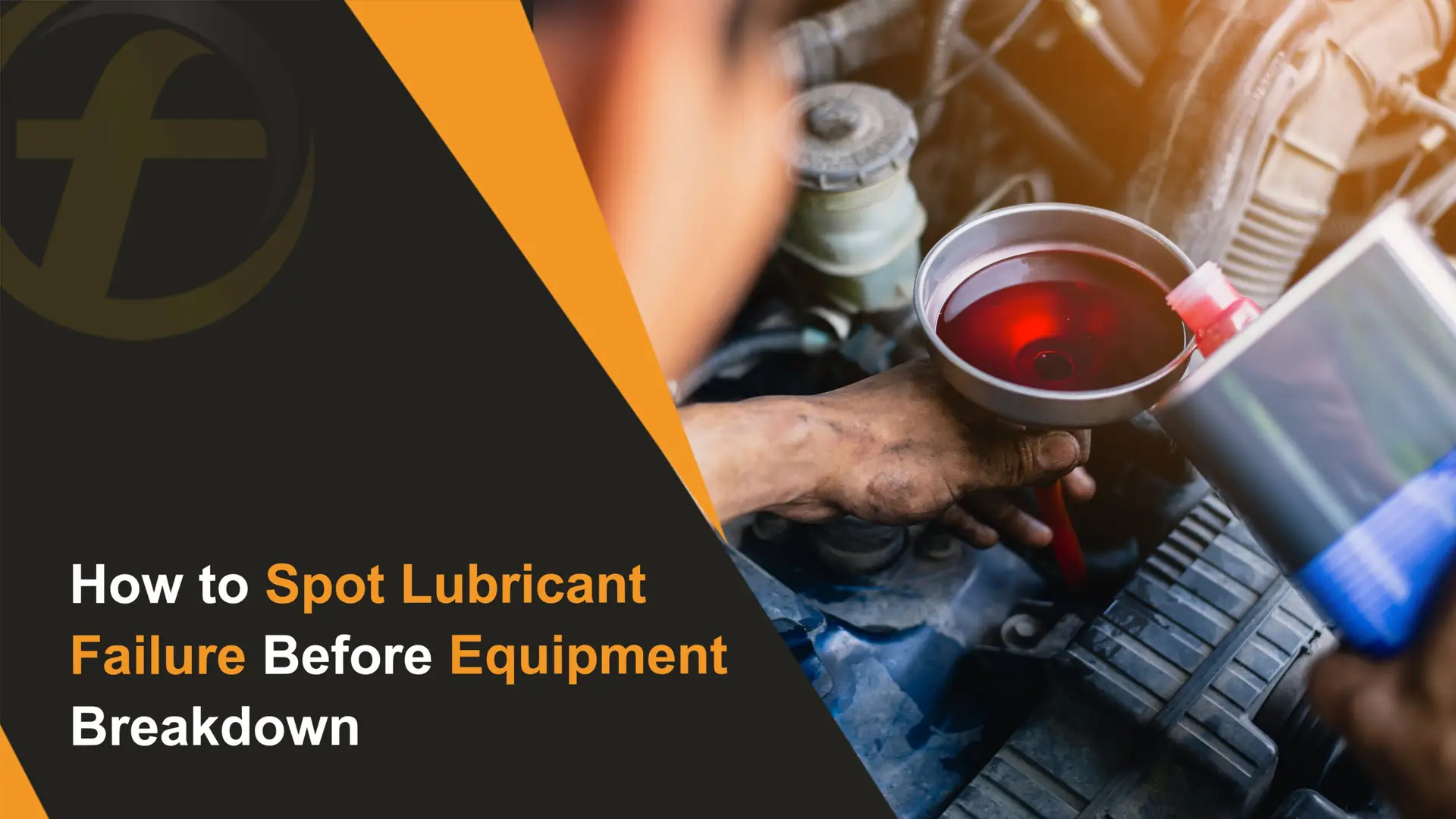
Did you know that lubricants do a lot more than just keep your engine “wet”? They reduce friction, stop overheating, clean your engine, prevent rust, improve efficiency, and even seal important gaps. Basically, if your lubricant isn’t healthy, your vehicle won’t be either!
But keeping your lubricant in good shape isn’t just about changing it on schedule. From strange noises and poor handling to contaminated or foamy oil, there are lots of clues that your lubricant might be failing. At Fubex Lubricants, we offer high-quality lubricants for all types of engines. Enjoy fast shipping, a price match guarantee, and no-questions-asked returns. Need help choosing the right oil? Call us at +971 50 544 9614 — our friendly team is ready to assist!
Awais I., Sales Director, says, “Knowing the signs of lubricant failure helps protect your equipment. Using the right oils and checking them regularly can prevent wear and keep machines running smoothly.”
In this guide, we’ll explain what lubricant failure is, why it happens, and how you can spot the warning signs early—before it turns into a costly problem.
What is Lubricant Failure?
Lubricant failure happens when the oil can no longer do its job properly. This can happen when the oil is used up, damaged, or the wrong type is used. When this happens, friction, wear, and heat increase, which can lead to costly machine damage.
- Degradation: This happens when the oil breaks down due to heat, air, or dirt. It can become thick and form sludge. This reduces its ability to protect engine parts and increases friction.
- Contamination: This happens when dirt, water, or other oils mix with the lubricant. It can cause rust, corrosion, and damage to moving parts because the protective oil layer is affected.
- Mechanical Breakdown: This happens when strong forces inside the engine damage the oil. The oil loses its strength, which leads to poor lubrication and metal parts touching each other. This can cause serious damage.
Most of the time, you may not notice lubricant failure right away. Heat, moisture, and loss of important additives can slowly damage the oil. That’s why it’s important to check your lubricant regularly and catch problems early.
Key Signs of Lubricant Failure
Lubricant failure does not happen all at once. It usually builds up slowly, and you may not notice it at first. But over time, some clear signs start to show. If you think your lubricant is not working properly, look for these warning signs:
- Unusual Engine or Part Noise: When the lubricant fails, it cannot protect moving parts well. This causes parts to rub against each other. You may hear knocking, squealing, or whining sounds.
- Overheating: Lubricants help reduce friction and keep things cool. When they stop working properly, heat builds up. This can make the engine overheat. Warning lights on your dashboard may turn on.
- Discolored or Foamy Oil: Bad lubricant may look dark, thick, or dirty. If water gets into the oil, it can look milky. If air gets trapped, the oil may look foamy. Check your oil often to spot these changes.
- High Temperature or Smoke: Poor lubrication creates more heat. If you see blue or gray smoke, it may mean oil is burning inside the engine. This is a serious problem, so get it checked quickly.
- Increased Fuel Use: When the lubricant fails, the engine has to work harder. This uses more fuel. Thick or dirty oil also makes it harder for the engine to move it around.
- Poor Performance in Tough Conditions: In very hot, cold, or heavy-use conditions, weak or wrong lubricant may not work well. This increases friction and wear, and it can even lead to system failure. Vehicles used in fleets face this problem more often.
Practical Checks You Can Do
Lubricant failure can cause serious damage, but the good news is you can catch it early. There are simple checks you can do to see if your lubricant is still working well. These checks can help you avoid expensive problems later.
Step-by-Step Checks
- How to Check Oil Level and Condition: Park your vehicle on a flat surface. Make sure the engine is off and cool. Take out the dipstick, wipe it clean with a cloth or tissue, and put it back in. Then pull it out again. You should see the oil level between the “low” and “full” marks. Also, check the oil on the cloth. If it smells burnt, feels rough, or looks very dark and thick, it’s time to change it.
- When and How to Take an Oil Sample: Use a clean container to collect the oil sample. Take the sample when the engine is warm or just turned off.
If you work with a lubricant expert, you can create a regular schedule for testing. This helps you track changes in your oil over time.
Why Routine Checks Matter (Especially for Fleets)
Regular checks help you understand how your lubricant and equipment are performing. This is called preventive maintenance.
It helps you:
- Avoid sudden breakdowns
- Make your vehicles last longer
- Improve overall performance
This is very important for fleets, where vehicles are used a lot.
Tools and Technology That Help
Modern vehicles and fleets can use special tools to check lubricant condition. These tools can find problems early before they become serious.
Oil Quality Sensors and Telematics: These tools can track oil conditions in real time. They send alerts if something changes, so you can take action quickly.
On-site Testing Kits vs. Lab Testing
- On-site Testing Kits: These give quick results and are easy to use. But they may not be very accurate and cannot detect all problems.
- Lab Testing: This is done in a controlled environment, so results are more accurate. Labs can test for more issues and give detailed reports.
Benefits of Predictive Maintenance Platforms
Predictive maintenance platforms use data to guess when a problem might happen. This helps you fix issues early instead of waiting for a breakdown.
By using these tools, you can:
- Reduce unexpected downtime
- Make your equipment last longer
- Save money on repairs
- Improve overall performance and efficiency
In simple words, they help you stay one step ahead and keep everything running smoothly.
Preventing Lubricant Failure
You can avoid lubricant problems by following some simple steps. These small actions can save you from big damage later.
- Use the Right Lubricant: Always choose the correct lubricant for your engine or machine. Make sure it has the right oil grade and can handle your working conditions. It’s best to follow the manufacturer’s instructions.
- Change Oil at the Right Time: Even if you don’t have advanced tools, change your oil on time. Follow the recommended schedule. Also, think about using synthetic oil, as it often lasts longer than regular oil.
- Consider Working Conditions: Different driving conditions need different lubricants. City driving, highways, and off-road use all put different stress on your engine. Choose a lubricant that fits your environment.
Quick Tips
- Store lubricants in a clean and safe place
- Train drivers and technicians to check oil regularly
- Keep track of maintenance using digital tools
- Label different lubricants clearly to avoid mixing them
The Importance of Preventive Maintenance
Preventive maintenance helps keep machines working well and reduces the chance of failure. Lubrication is a big part of this process.
When you use the right lubrication, machines run smoothly and parts do not wear out quickly. This lowers the risk of sudden breakdowns and helps keep work running on time.
By avoiding common lubrication mistakes, businesses can improve maintenance, make machines more reliable, and keep everything working better for longer.
Why Quality Lubrication Matters
Good lubrication starts with using high-quality oil. The right lubricant can make a big difference in how your engine works. It helps save fuel, reduce wear, and improve performance.
Here are some simple benefits of using the right engine oil:
- Reduces Friction: Helps parts move smoothly and prevents damage
- Cools Engine Parts: Takes heat away from important areas
- Keeps the Engine Clean: Traps dirt and sludge
- Prevents Rust: Protects metal parts from corrosion
- Improves Performance: Very important for engines under heavy load or high speed
For people who love racing, using high-quality racing oil is very important. It helps the engine perform well even in extreme conditions. These oils handle high heat better, stay strong under pressure, and protect engine parts more effectively.
Consequences of Poor Lubrication
Poor lubrication can cause serious problems in any industrial setup. It may seem small, but it can lead to big damage over time. When lubrication is not good, parts rub against each other more. This creates extra friction, which wears out parts faster and increases repair costs.
It can also make machines run hotter. Too much heat can damage parts and increase the chance of machine failure. These problems can slow down work, cause sudden breakdowns, and lead to production losses.
In some cases, poor lubrication can badly damage important machine parts. This means expensive replacements and long downtime. It can also make the workplace unsafe. Machine failures can increase the risk of accidents and injuries.
Failing to Monitor Equipment Performance
Lubrication is not a one-time job. You need to check it regularly. If you don’t monitor how your equipment is working, you may miss early warning signs and cause damage. A common mistake is thinking that once you add lubricant, your job is done. But that’s not true. Changes in performance, temperature, or noise can show that something is wrong.
By checking your equipment often, you can spot problems early and fix them before they turn into bigger and more costly issues.
Early Detection is Your Best Protection
Finding lubrication problems early can save you from serious damage. If you catch issues in time, you can avoid big and costly failures.
By using high-quality lubricants, modern tools, and regular maintenance, you can reduce the risk of problems. This helps you fix small issues before they turn into major ones.
Final Takeaways
Lubrication problems might seem small, but ignoring them can cause expensive breakdowns and downtime. The good news? Most issues can be prevented with the right products, proper use, and regular maintenance.
This is where expert support makes a big difference. Today, the role of a lubricant manufacturer goes beyond just supplying oil—they become your partner in performance. By choosing a trusted Lubricant Manufacturer in the UAE, like Fubex Lubricants, you get high-quality products, expert advice, and solutions made for your needs.
Want to keep your machinery running smoothly? Reach out to Fubex Lubricants today!
FAQs
Q1: What is the most common problem in a lubrication system?
One of the biggest problems technicians see is dirty lubricant. When dirt, water, or other pollutants get into the oil, it can stop the lubricant from working properly and cause damage to the machine.
Q2: How long does a lubricant last?
If stored properly in a dry, covered place, most lubricants can last up to 5 years. Some oils, like Environmentally Acceptable Lubricants (EALs), are more sensitive to water and should be used within 3 years.

Editor-at-Large
A passionate writer in the lubricant industry, Awais Iqbal has been covering oils, greases, and industrial fluids since the start of his career. At 25, he’s already written for blogs, catalogs, and brand guides across the UAE. Awais’s insights help companies connect with their audience, and his clear, helpful writing style is trusted by brands in the region.